Florida Milestone Inspection & Condo Recertification





Florida Condo Law Compliance · F.S. §553.899 · SB 4-D · HB 913
Florida law requires mandatory structural inspections for every residential condo and cooperative building three habitable stories or taller. The deadline is tied to your building's Certificate of Occupancy date — and missing it exposes your association to fines, occupancy restrictions, and personal fiduciary liability for board members.
Duran Structural Design Studio conducts Phase One and Phase Two Milestone Inspections and Structural Integrity Reserve Studies, signed and sealed by a Florida-licensed PE — statewide.
Is Your Building Required to Comply? Here's What Florida Law Now Mandates
Under Florida Statute §553.899, the requirements apply to you if:
Your building is a residential condo or cooperative
It is three habitable stories or taller
Its Certificate of Occupancy was issued 30 or more years ago (25 years in some coastal jurisdictions)
Key deadlines: Buildings with a CO on or before July 1, 1992 — initial inspection was due December 31, 2024. Buildings turning 30 between July 1, 2022 and December 31, 2024 — deadline is December 31, 2025. All other buildings — due by December 31 of the year the building turns 30, then every 10 years permanently.
The SIRS requirement: All unit-owner-controlled associations existing before July 1, 2022 must complete a Structural Integrity Reserve Study by December 31, 2025. As of January 1, 2025, reserve waivers for structural components are no longer permitted.
If you are unsure whether your building qualifies or what your deadline is — contact us. We will confirm it for you at no charge.
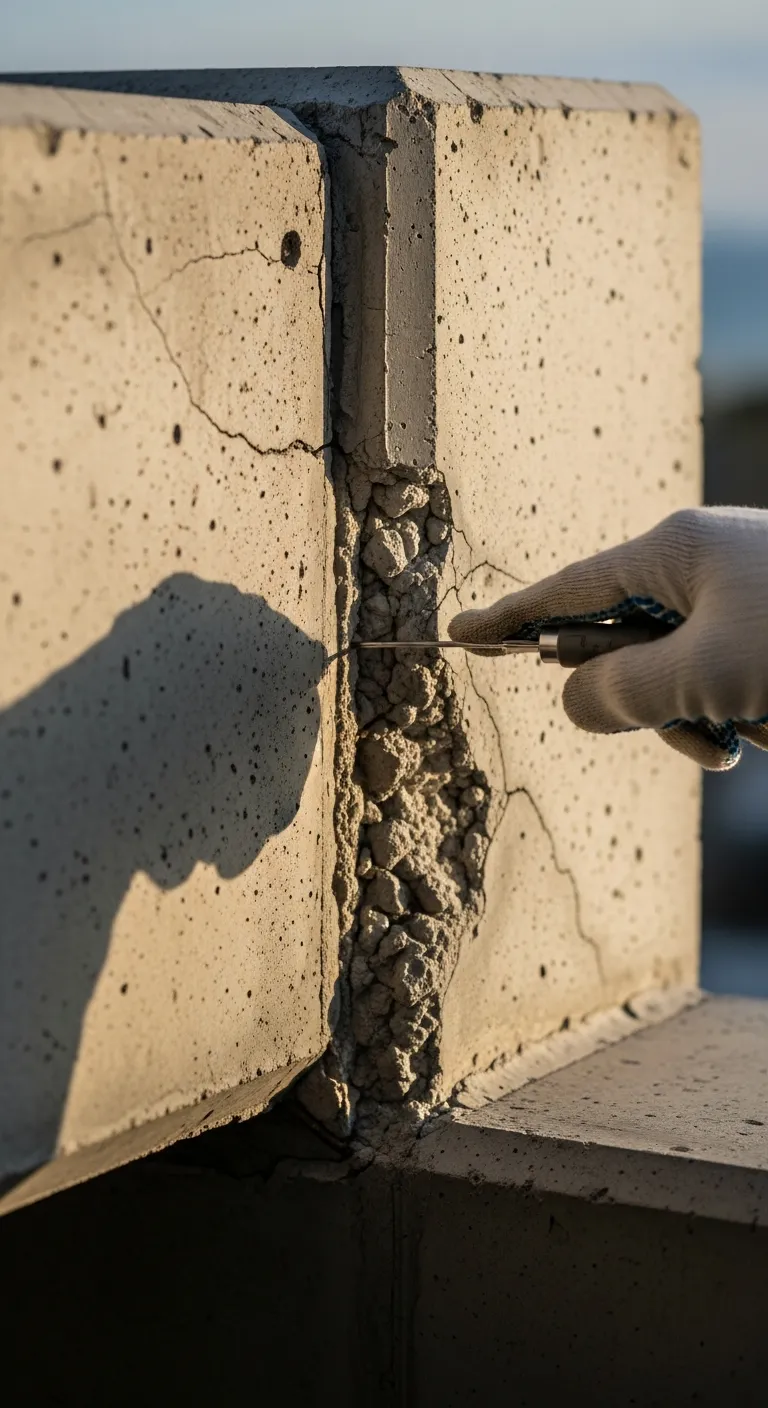
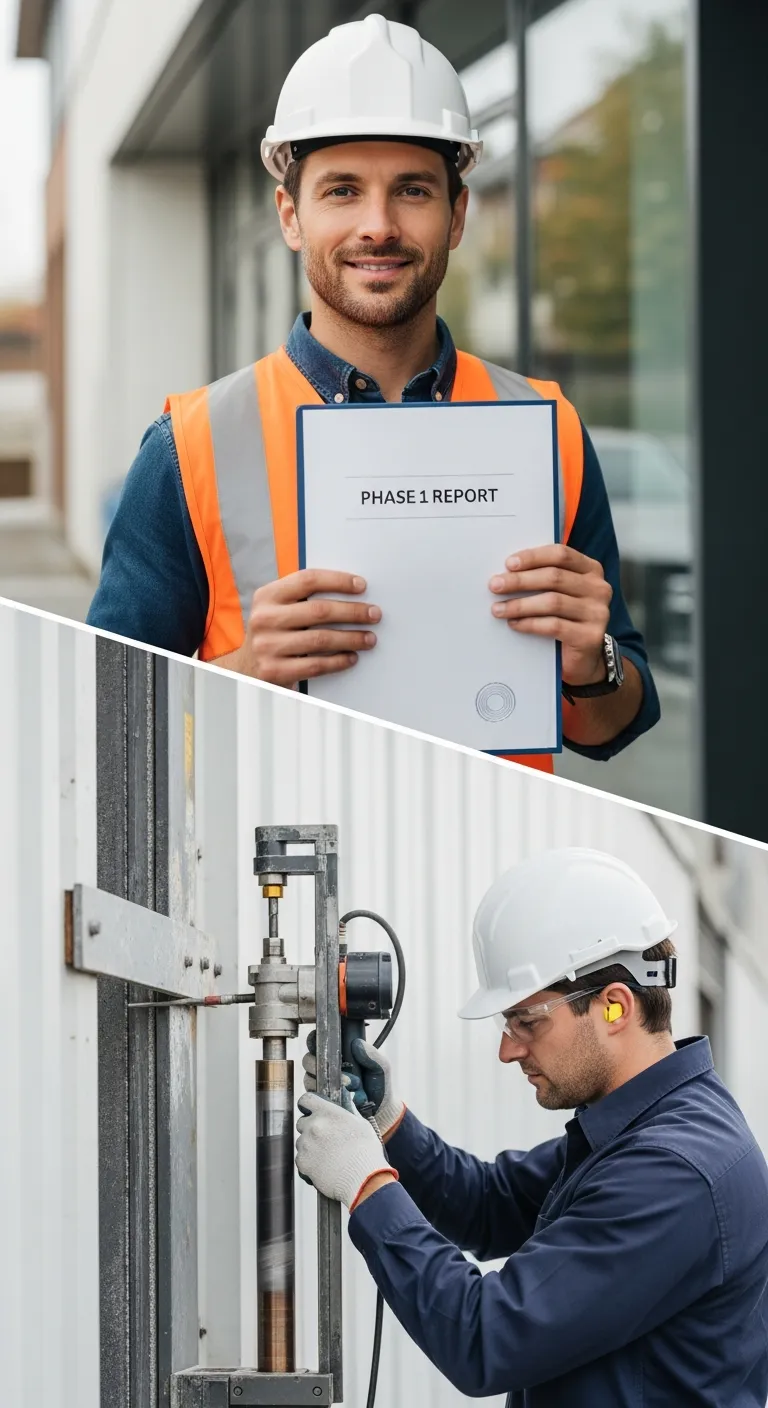
What a Milestone Structural Inspection Actually Covers
A milestone inspection is a structural safety evaluation — not a general building inspection and not a code compliance review. Our licensed PE examines the primary structural components that determine whether your building is safe for continued occupancy:
Load-bearing walls, columns, beams, and structural frames
Foundation system and visible indicators of settlement or distress
Roof structure, deck, and connections
Floor systems and slab conditions
Balconies, elevated walkways, and their structural connections
Parking structures and below-grade conditions
Building envelope conditions where surface deterioration may indicate structural distress
Surface imperfections alone — cracks, staining, peeling finishes — do not automatically constitute structural deterioration. What matters is what those surface conditions mean structurally. That judgment requires a licensed PE, not a checklist.
Phase One vs. Phase Two — What Triggers Each and What to Expect
Phase One is a comprehensive visual examination of all structural components by a licensed engineer. If no substantial structural deterioration is found, the inspection is complete. We prepare and seal the Phase One report, file it with your local building department, and provide the documentation your association needs to distribute to unit owners within the statutory 45-day window.
Phase Two is triggered only if Phase One identifies substantial structural deterioration. It involves targeted non-destructive or destructive testing, materials analysis, and an expanded investigation — resulting in a sealed report with specific findings and a recommended repair program.
If Phase Two finds repairs are needed, Florida law requires those repairs to commence within 365 days of the report being filed. Under HB 913, effective July 2025, local governments are now required to actively enforce this timeline.
Most buildings complete the process at Phase One. The goal is always to give your association a clear, accurate picture of your building's structural condition — nothing more, nothing less.


Why Your Condo Association Needs a Licensed PE — Not Just Any Inspector
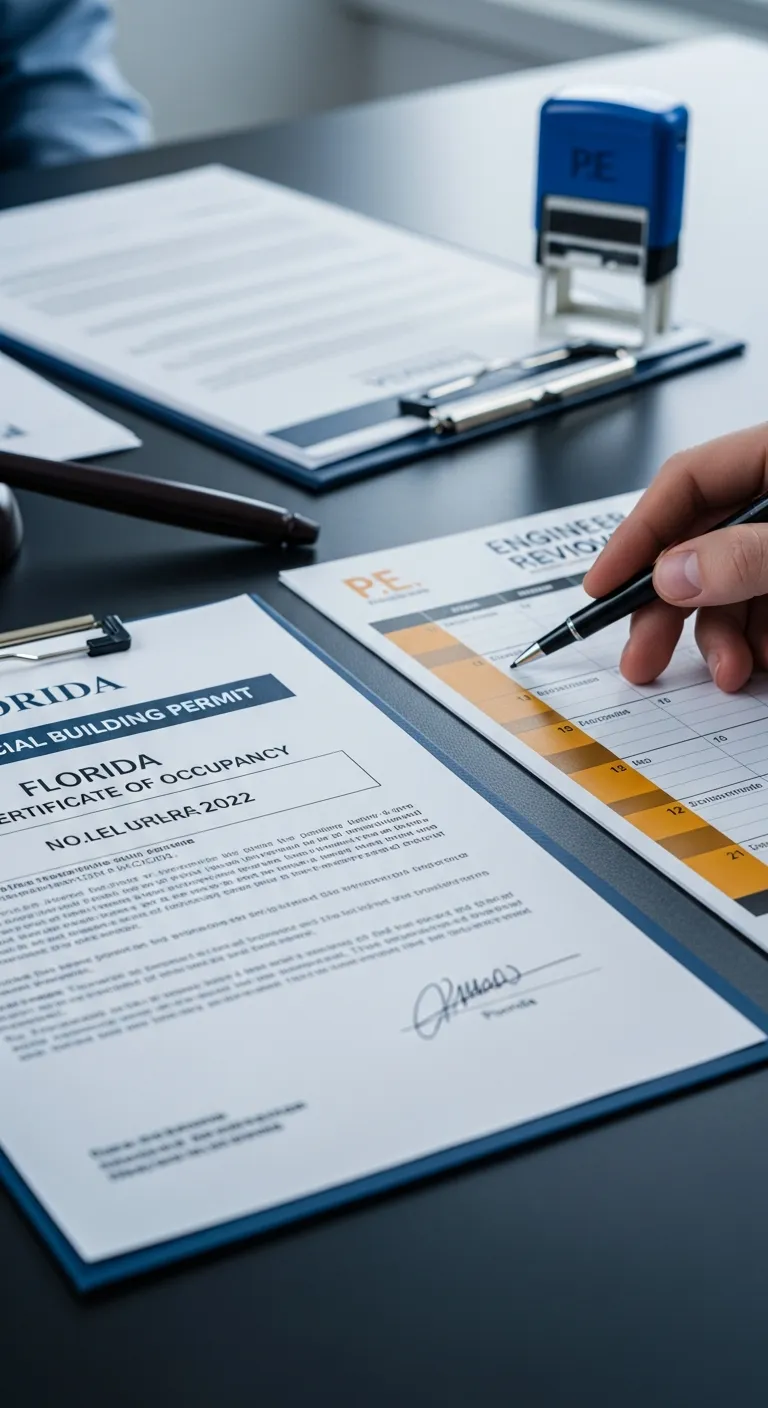
Florida Statute §553.899 is unambiguous: milestone inspections must be performed by a Florida-licensed engineer or architect, with the report signed and sealed. A home inspector, property consultant, or unlicensed inspector cannot fulfill this requirement — regardless of experience.
Three things a licensed structural PE brings that others cannot:
Engineering judgment. The difference between a cosmetic crack and a structural one, between surface corrosion and compromised rebar — these are structural engineering determinations. They require the training and licensure to make them, and to be responsible for making them.
Legal standing. A PE-sealed report carries professional and legal authority. It protects your association because it was produced by a licensed party with their professional credentials on the line.
No conflict of interest. Under HB 913, any engineer performing a milestone inspection must disclose in writing if they intend to bid on repair work identified by that inspection. Duran Structural performs inspections and engineering. We do not perform construction or repairs — which means our findings are never influenced by what we might recommend.
How Duran Structural Manages Your Milestone Inspection From First Walk to Sealed Report
01 — Initial call. We confirm your CO date, building type, deadline, and local submission requirements. Takes 15 minutes.
02 — Scheduling. We coordinate access with your property manager. Residents are notified in advance. No disruption to daily operations.
03 — Phase One inspection. Our licensed PE conducts a full visual examination of all structural components — with field notes and photographs documenting every area reviewed.
04 — Sealed report delivery. We prepare your signed and sealed Phase One Inspection Report, file it with your local building department, and provide your association the documentation needed for unit owner distribution.
05 — Phase Two, if triggered. We explain what was found, what additional investigation is needed, and what the repair timeline means for your association — clearly, without alarm.
One point of contact throughout. Direct access to the licensed PE. No handoffs.
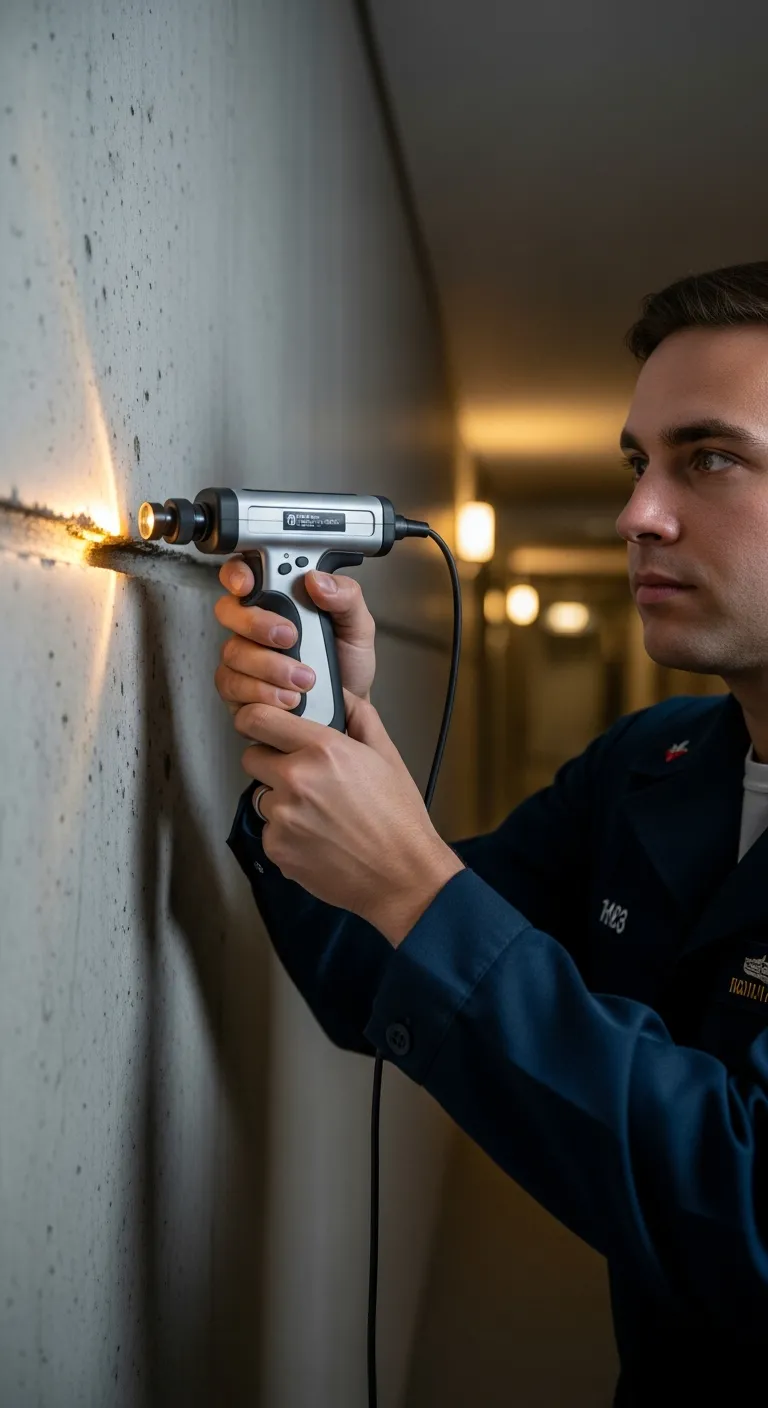

What We've Found in Florida Buildings That Others Miss
Florida's environment creates structural vulnerabilities that experienced structural engineers know to look for — and general inspectors frequently underestimate.
Rebar corrosion behind concrete finishes. Salt air and humidity accelerate chloride penetration in concrete, corroding rebar from the inside before any surface evidence appears. In post-tensioned slabs — common in Florida high-rises — tendon corrosion is a serious structural issue that is easy to miss without structural engineering judgment.
Balcony connection deterioration. Balconies are among the highest-risk elements in Florida buildings — exposed, waterlogged, and corroding at the steel-to-concrete interface where failure gives little visible warning. We examine connections and embeds with the rigor this category requires.
Settlement patterns that tell a structural story. Cracking in masonry, sloping floors, and misaligned frames are not always cosmetic. In Florida's sandy, high-water-table soils, these patterns can indicate differential settlement or foundation movement. A structural PE reads the pattern — not just the crack.
Schedule Your Florida Milestone Inspection Before Your Deadline
FAQs
Questions and Answers
Common Questions From HOA Boards About the Milestone Inspection Process
Our CO was issued in 1993. What is our deadline?
Buildings turning 30 between July 1, 2022 and December 31, 2024 have an initial inspection deadline of December 31, 2025. Call us and we will confirm your specific deadline.
We had a prior structural inspection. Does it count?
Possibly. Florida law allows local enforcement agencies to accept pre-July 2022 inspection reports if they substantially comply with §553.899. We can review your prior report and advise whether it is likely to qualify.
What does a milestone inspection cost?
Fees depend on building size, age, height, and structural system. We provide a clear fixed-fee proposal after an initial call — no vague estimates.
What if Phase One finds problems?
Phase Two is required, followed by a repair program. Repairs must commence within 365 days. If you have known concerns, starting the process now gives your board time to plan and budget — rather than reacting under enforcement pressure.
Does our engineer need to disclose conflicts of interest?
Yes — under HB 913. Any engineer performing your inspection must disclose if they also intend to bid on the repair work. We do not do construction or repairs. No conflict to disclose.
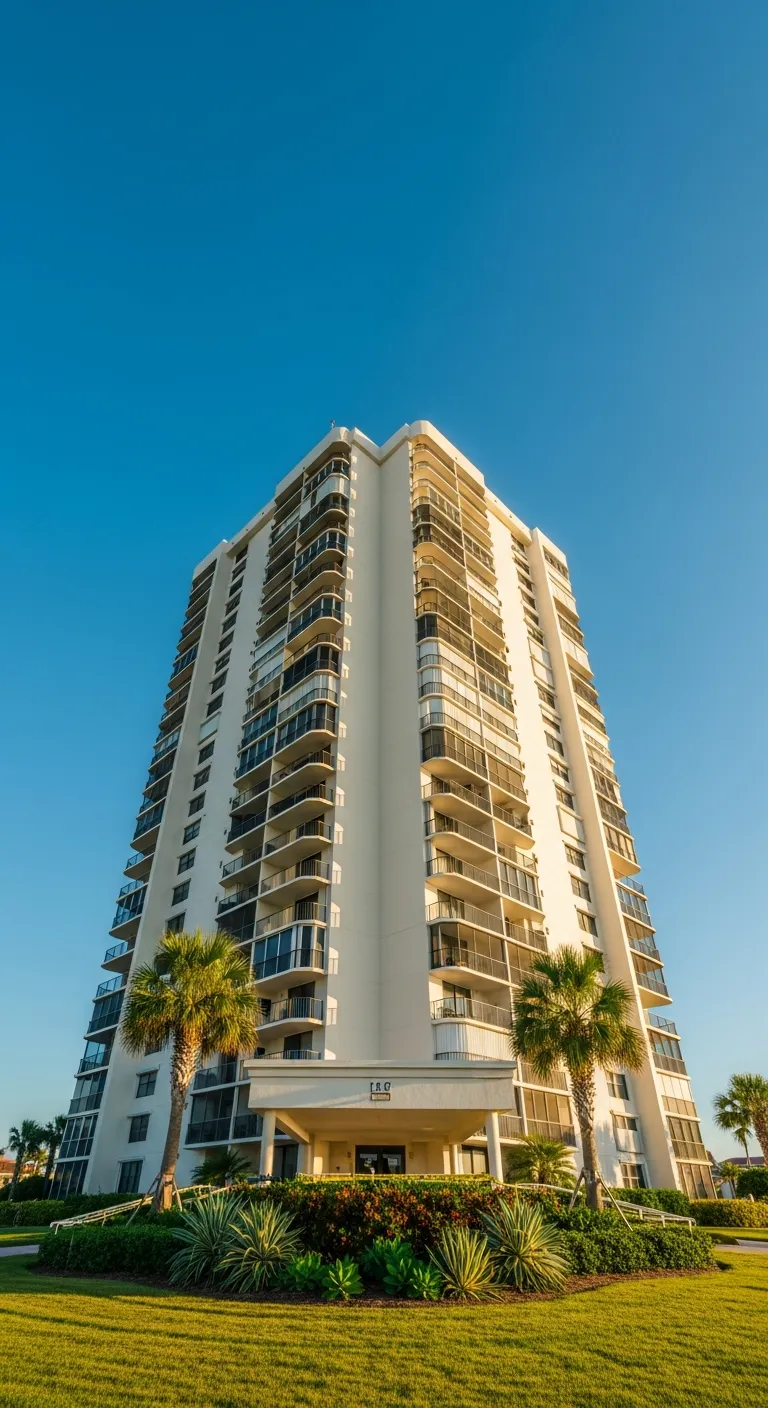
Schedule Your Florida Milestone Inspection Before Your Deadline
Milestone inspection capacity across Florida is limited and demand is not slowing down. If your building is approaching its deadline — or has already passed it — the time to act is now.
We serve condo and cooperative associations throughout Florida. Phase One and Phase Two Milestone Inspections and SIRS, all signed and sealed by a Florida-licensed PE.
COMPANY
CUSTOMER CARE
LEGAL
FOLLOW US


Copyright 2026. Duran Structural. All Rights Reserved.