
Adaptive Reuse Structural Engineering in Florida
Understanding What a Building Can Become Before You Commit to Making It
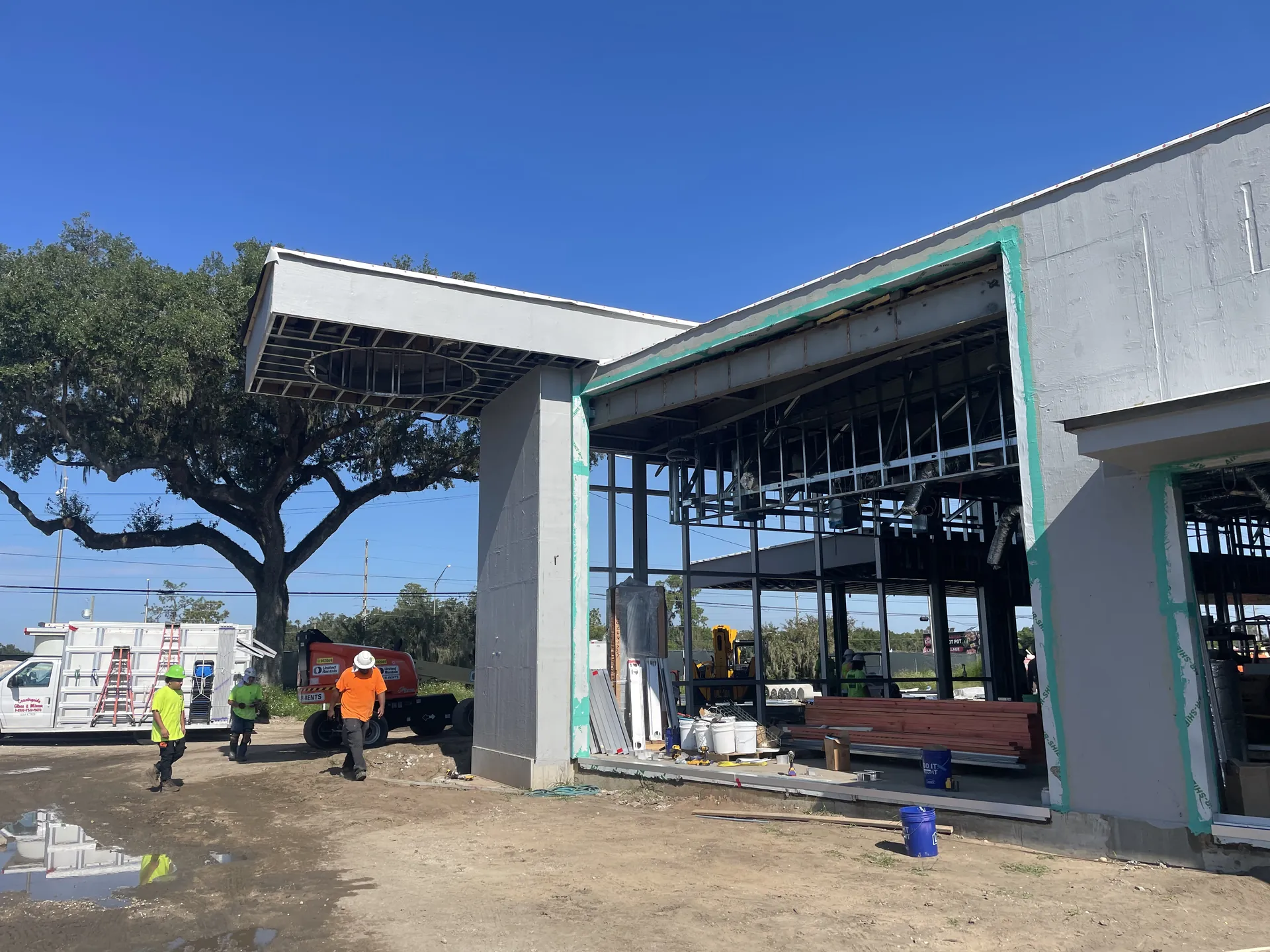
S-510.1
The Structural Questions That Define Every Adaptive Reuse Project
Before design begins in earnest, every adaptive reuse project needs structural engineering answers to a set of questions that will either validate the conversion concept or reshape it.
Can the existing floor system carry the new loads? Warehouses are designed for high floor live loads - sometimes 200 to 500 psf for racking and fork truck operations - but they are designed for those loads as uniformly distributed, not as the point loads of a gym equipment layout or the concentrated loads of an assembly occupancy. Office buildings are typically designed for 50 psf live loads; residential occupancies require 40 psf, but the addition of rooftop amenities, pools, or mechanical equipment introduces localized loads the original structure was not designed for. The answer is rarely a simple yes or no - it requires floor-by-floor structural analysis against the proposed occupancy loads before a reliable cost projection is possible.
Does the existing lateral system meet current Florida wind design requirements? Florida's Building Code wind design requirements have tightened significantly since many of the state's industrial and commercial buildings were constructed. A 1980s warehouse in Tampa's design wind zone may have been designed to a fraction of the current wind speed requirement. A building conversion that triggers substantial improvement thresholds can require that the lateral system be upgraded to meet the current code - a scope that can be the difference between a viable conversion and one that isn't.
What does the structure actually look like, and does it match the drawings? Adaptive reuse projects routinely discover that existing conditions diverge from the available drawings - unreinforced concrete slabs where the drawings show post-tensioned, steel columns at different spacing than shown, foundations that weren't installed as designed, and prior modifications that were never documented. The structural assessment that establishes existing conditions is not a formality - it is the information the conversion design depends on.
What does the change of occupancy require? A change from industrial to assembly occupancy, from office to residential, or from warehouse to mixed-use triggers specific code requirements that have direct structural consequences - higher floor live loads, different egress requirements that may require new stair openings through floor plates, accessibility upgrades that create new structural penetrations, and in some cases full wind compliance upgrades for the entire building. Understanding the full structural implication of the occupancy change early is what separates a realistic feasibility analysis from one that gets revised during permitting.
S-510.2
Adaptive Reuse Structural Engineering Services
Structural feasibility assessment. The first structural engagement on an adaptive reuse project is often a feasibility assessment - an engineering evaluation of whether the existing structure can support the proposed new use, what structural modifications are required, and what the structural scope will contribute to the project budget. We provide feasibility assessments that give owners and developers an honest structural picture before they are committed to a conversion that doesn't pencil out. We assess floor load capacity against proposed occupancy requirements, evaluate the lateral system against current Florida wind standards, identify the structural implications of required egress modifications, and flag the conditions that most commonly generate cost surprises after demolition begins.
- Existing conditions investigation and documentation. We conduct site investigations of the existing structural system - framing, connections, foundations, and condition - and produce documentation that forms the structural baseline for the conversion design. Where drawings are unavailable or unreliable, we field-verify structural conditions and produce as-built documentation sufficient to design from. We identify the conditions that are most likely to differ from available drawings based on the building's age, type, and construction history.
- Structural design for building conversion. Full structural engineering design for the adaptive reuse project - floor system modifications for new occupancy loads, new structural openings for egress, elevators, and light wells, lateral system upgrades for wind compliance, new foundation elements for added loads, and rooftop structural support for mechanical equipment or amenity spaces. We produce PE-sealed structural drawings coordinated with the architectural and MEP documents in the format required for Florida building permits.
Adaptive reuse
A new use asks new questions of an old frame.
S-510.4
- Floor load analysis and upgrade design. When the existing floor system cannot support the proposed occupancy loads without modification, we design the upgrade - reinforcing existing beams or slabs, adding structural support at high-load areas, or reconfiguring the structural layout to match the proposed program. We approach floor upgrade design with the same constructability focus we bring to new construction - specifying upgrades that can be installed in the existing building without requiring demolition of elements that don't need to come out.
- New structural openings through existing floor and roof systems. Adaptive reuse projects routinely require new openings in existing floor plates - for stairwells, elevator shafts, light wells, mechanical penetrations, and atrium voids. Each new opening requires structural engineering: analysis of the existing system around the opening, design of new edge framing and headers, and transfer of loads that previously ran through the area of the opening. We design these openings with the detail required for permit and the coordination with the architectural layout that prevents field conflicts.
- Wind compliance upgrades for converted buildings. When a conversion triggers full wind compliance requirements for an existing building, we design the lateral system upgrades - new shear walls, diaphragm connections, drag struts, and collector elements - required to bring the building to current Florida Building Code wind standards. We design these upgrades to minimize disruption to the architectural conversion and to be constructable within the constraints of the existing building.
S-510.5
Building Conversion Types We Work On
Warehouse and industrial to office, creative, or mixed-use. Tampa Bay's growing inventory of underutilized industrial buildings - pre-war brick warehouses, mid-century steel frame industrial, and more recent tilt-up concrete - represents significant adaptive reuse opportunity. These buildings often offer high ceilings, generous floor plates, and structural capacity that translates well to open-plan office, creative, brewery, food hall, and mixed-use uses. The structural challenges are specific: existing floor loads designed for industrial use need analysis against assembly and occupancy loads, new MEP systems need structural support that the original framing didn't accommodate, and Florida wind compliance for older industrial buildings often requires lateral system upgrades.
- Office to residential. The office-to-residential conversion trend has reached Florida's commercial markets, driven by elevated residential demand and softening office absorption. These projects are structurally complex: office floor plates are typically sized for 50 psf live loads while residential is 40 psf, but residential conversion typically introduces rooftop amenity loads and MEP equipment loads that require structural analysis. New egress stair openings cut through existing floor plates. Corridor walls that need to align with column lines for structural efficiency may conflict with the residential unit layouts. We assess office buildings for residential conversion feasibility and design the structural modifications required.
- Hotel and motel to multifamily or affordable housing. Florida's motel conversion pipeline - driven by affordable housing demand and hotel operators exiting the market - involves structural assessment of building types that vary widely in construction quality, vintage, and condition. We assess existing structures for residential conversion feasibility, identify the structural scope required, and design the modifications needed for permit.
- Retail and commercial to residential or mixed-use. Single-story and low-rise retail, strip commercial, and former big-box buildings are being evaluated for residential addition and mixed-use conversion across Florida's urban corridors. Adding residential floors above existing single-story commercial requires structural assessment of the existing foundation and framing for vertical loads and for Florida wind demands on a taller structure, plus a complete structural design for the new floors above.
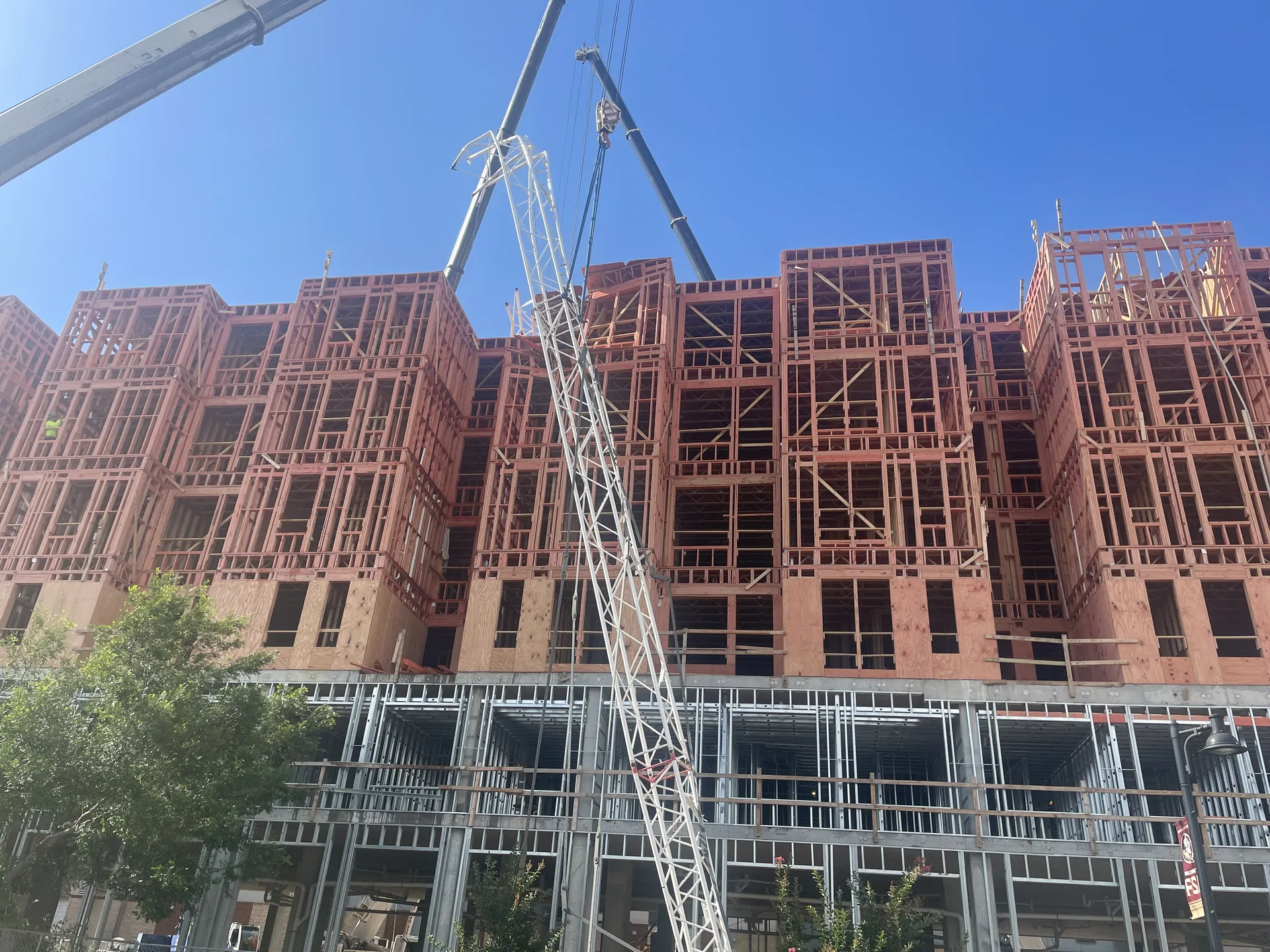
Capacity
The building tells you what it can carry.
S-510.7
The Adaptive Reuse Structural Process
Step 1 - Feasibility look. Before a developer or owner commits to an adaptive reuse project, we provide a preliminary structural assessment - typically a site visit and document review - that answers the fundamental feasibility questions. Is the structure convertible in principle? What are the structural scope items that will drive cost? What conditions are most likely to generate surprises? This is the information that belongs in a pro forma before a purchase is made or a design contract is signed.
- Step 2 - Existing conditions investigation
- Once the project is moving forward, we conduct a thorough existing conditions investigation - documenting the structural system, assessing condition, verifying available drawings against actual construction, and identifying the unknown conditions that will need to be resolved through demolition or intrusive investigation. We frame the investigation to establish what the conversion design depends on knowing, not just what is easy to document.
- Step 3 - Structural design development
- Working with the architect's conversion design, we develop the structural engineering scope - floor modifications, new openings, lateral upgrades, foundation additions - and coordinate the structural design with the architectural layout and MEP design to resolve the integration conflicts that generate change orders when they surface during construction.
- Step 4 - PE-sealed permit documents
- We produce the structural drawings, details, and calculations required for Florida building department permit review, in a format coordinated with the full set of permit documents.
- Step 5 - Construction support
- Adaptive reuse projects generate structural questions during construction at a higher rate than new construction - conditions differ from what was documented, new scope gets added, and existing elements need evaluation as they are exposed. We respond to contractor RFIs and field conditions with the turnaround that conversion schedules require.
S-510.10
What We Find in Florida Conversion Projects That Others Miss
Lateral systems that look adequate on paper but aren't. Older Florida industrial and commercial buildings were designed to wind standards that have been superseded by multiple code cycles. When a conversion triggers substantial improvement review, the lateral system analysis often reveals deficiencies that weren't apparent from a visual inspection and that weren't flagged in a general condition assessment. Finding these before the permit application is submitted is what prevents the structural scope from expanding after design is underway.
- Foundation conditions that don't match the available drawings. Pre-1980 Florida construction frequently has foundation conditions that were not documented in detail or that have since been modified without documentation. When a conversion adds significant new loads - vertical additions, heavy mechanical equipment, new structural walls - the foundation analysis depends on understanding what is actually there. We flag the foundation investigation scope needed before the structural design commits to load paths that run through foundations that haven't been verified.
- MEP integration conflicts that become structural change orders. Adaptive reuse projects introduce new MEP systems into buildings that weren't designed to accommodate them. New ductwork routing through structural bays, new pipe sleeves through beams, new electrical conduit through concrete slabs - without structural engineering coordination during MEP design, these requirements surface as field conflicts that require structural remediation under schedule pressure. We coordinate with the MEP team during design to resolve these conflicts before they are built in.
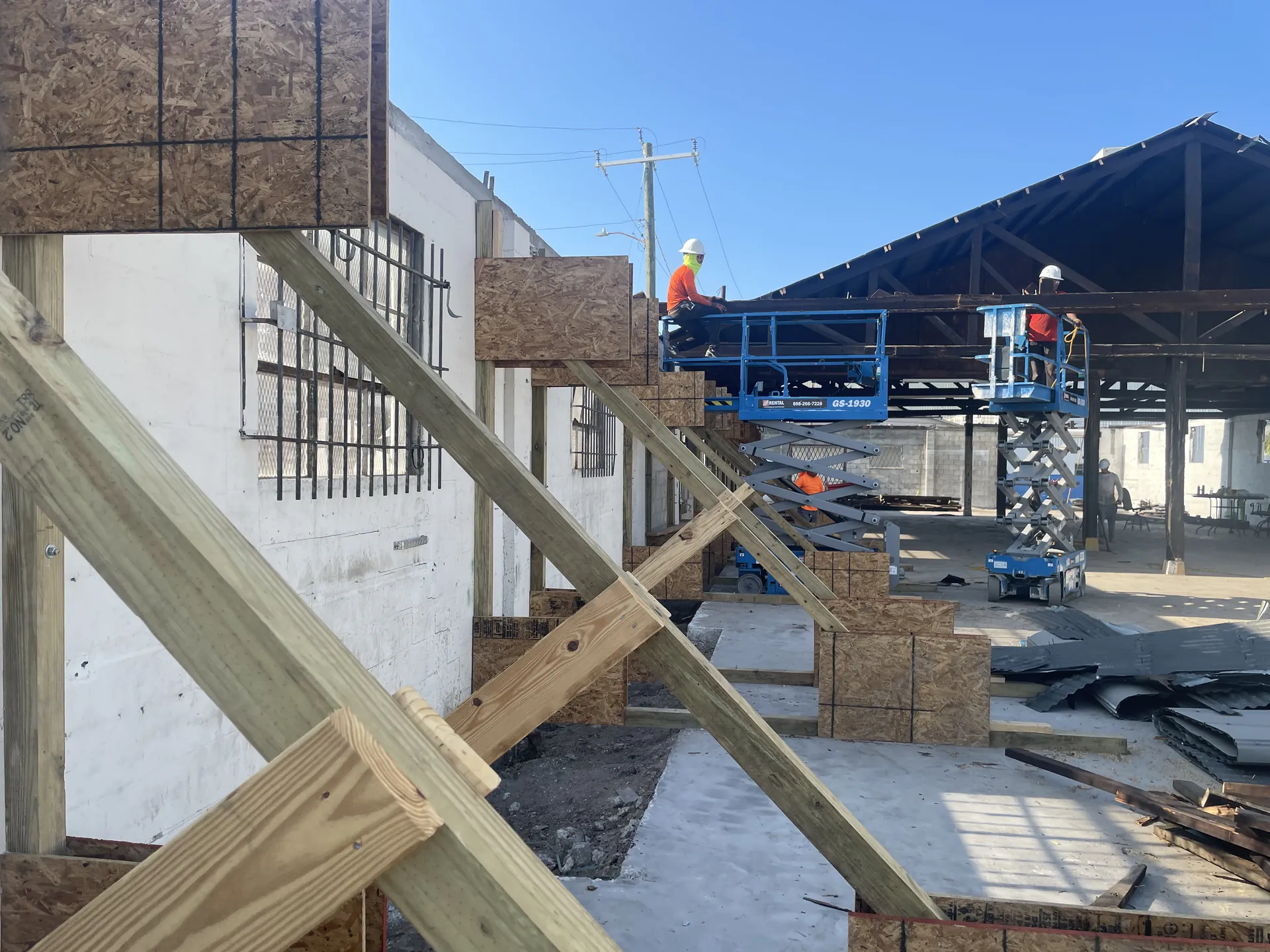
Change of use
New loads, existing structure, one answer.
Questions and answers.
S-510.10 / FAQ-
Before you are committed to the project. The structural feasibility assessment - understanding what the existing structure can accommodate and what it will cost to make the conversion work - belongs in the pre-acquisition or pre-design phase, not after the design is underway. Structural findings that emerge late in the design process are the most expensive to address. We provide preliminary structural assessments scoped to the feasibility decision, not the permit set.
-
Not always, but the trigger conditions are specific and consequential. Florida's Building Code existing building provisions govern when and how much of the building must be brought into current compliance when the occupancy changes. The analysis of what is and isn't triggered depends on the specific occupancy change, the scope of the renovation, and the value thresholds relative to the building's assessed value. Understanding exactly what is triggered - not assuming a worst case or a best case - is the structural engineer's job at the start of the project.
-
It varies by building type and conversion, but lateral system upgrades for wind compliance and floor load modifications for new occupancy loads are the two structural scope items that most commonly affect project feasibility. New openings through floor plates for egress and MEP are predictable costs that can be estimated early. Foundation upgrades for added loads are the scope item with the most uncertainty before the existing conditions investigation is complete.
-
Yes. We provide preliminary structural feasibility assessments for buildings being evaluated for acquisition or conversion. These assessments give you a structural perspective on whether the building can become what you intend, what the major structural scope items are, and what unknowns need to be resolved before the structural cost picture is reliable.
Start with a conversation.
S-510.11 / next stepSpeak with a licensed PE
Tell us the project type, size and timeline and you get an engineering answer, not a sales call.
Call (813) 536-8002Send us your plans
Share plans, sketches or photos and we review them before we call. Scope, size and timeline are what let us give you a real number.
Request a consultationTell us about the project.
S-510.12 / consult requestThe more you can tell us about scope, size and timeline, the more useful our first call is. A licensed PE reads every one of these.