
Forensic Structural Engineering in Florida
Finding What Failed, Why It Failed, and What the Evidence Actually Shows
S-410.1
Who Hires a Forensic Structural Engineer
Forensic structural engineering engagements come from several different starting points. We work with all of them.
- Attorneys in construction defect and professional liability litigation. When a structural failure becomes the subject of litigation, both plaintiff and defense counsel need a structural engineer who can investigate the facts, form an independent engineering opinion, produce a report that will survive deposition, and testify credibly under cross-examination. The engineer's analysis - not the lawyer's argument - is what determines the technical outcome of most construction defect cases.
- Insurance carriers and adjusters evaluating damage claims. After a hurricane, windstorm, or structural event, insurance carriers need an independent engineering assessment to establish whether damage was caused by the insured peril, by pre-existing conditions, by deferred maintenance, or by construction defects. An unbiased PE-sealed report documents the finding in a form that supports the claims decision and withstands challenge.
- Property owners disputing an insurer's assessment. When an insurance adjuster's finding understates the damage, misidentifies the cause, or attributes storm damage to pre-existing conditions, a property owner's best recourse is an independent structural engineer's report. A PE-sealed assessment that documents the actual cause and scope of damage is the most effective tool in a coverage dispute.
- Developers, contractors, and design professionals responding to claims. When a client alleges a construction defect or design error, the engineer or contractor needs an independent structural assessment of what actually caused the problem - not an assumption. Forensic engineering provides the technical foundation for a defense that is grounded in evidence rather than assertion.
- Property owners trying to understand what is wrong with their building. Sometimes the question is simpler: a building is cracking, settling, or performing in ways the owner doesn't understand, and no one has given them a clear answer. Forensic structural engineering provides the analysis that general inspectors can't - an engineering investigation with a signed conclusion, not a visual checklist.
S-410.2
Forensic Structural Engineering Services We Provide
Structural failure analysis and cause determination. Investigation of structural failures - collapse, excessive deflection, cracking, settlement, deterioration - to determine whether the cause is a design deficiency, construction defect, material failure, maintenance issue, environmental loading, or some combination. We examine the site, review available plans and specifications, research applicable code requirements at the time of construction, and form an engineering opinion on causation that is documented, defensible, and PE-sealed.
- Construction defect investigation
- Structural assessment of alleged construction defects - including deviations from the approved plans, inadequate workmanship, substituted or defective materials, and code violations - with analysis of whether the defect caused or contributed to the reported damage. We distinguish between defects that affect structural performance and cosmetic or non-structural conditions that do not.
- Storm and wind damage assessment for insurance purposes. Investigation of hurricane, wind, and flood damage claims requiring independent PE determination of cause, scope, and the relationship between storm forces and observed structural conditions. We separate storm-caused damage from pre-existing conditions, deferred maintenance, and prior damage using engineering analysis - not assumption - and document findings in a format accepted by Florida insurance carriers, adjusters, and courts.
- Standard of care analysis
- Assessment of whether the structural engineering or construction work on a project met the standard of care required of licensed professionals and contractors at the time. Used in professional liability and construction defect litigation where the question is whether a design error or construction failure was a departure from accepted practice.
- Structural repair documentation following investigation. Because Duran is a design firm as well as a forensic engineering firm, we can move directly from investigation to repair design when remediation is required. The forensic engineer who determined what failed and why is the same PE who designs the repair - eliminating the hand-off problem that occurs when separate firms handle investigation and remediation.
- Expert witness services
- PE-sealed engineering reports formatted for litigation, deposition testimony, mediation support, and trial testimony. We present complex structural engineering conclusions in clear, non-technical language without sacrificing technical accuracy - and we hold those positions under cross-examination.
Investigation
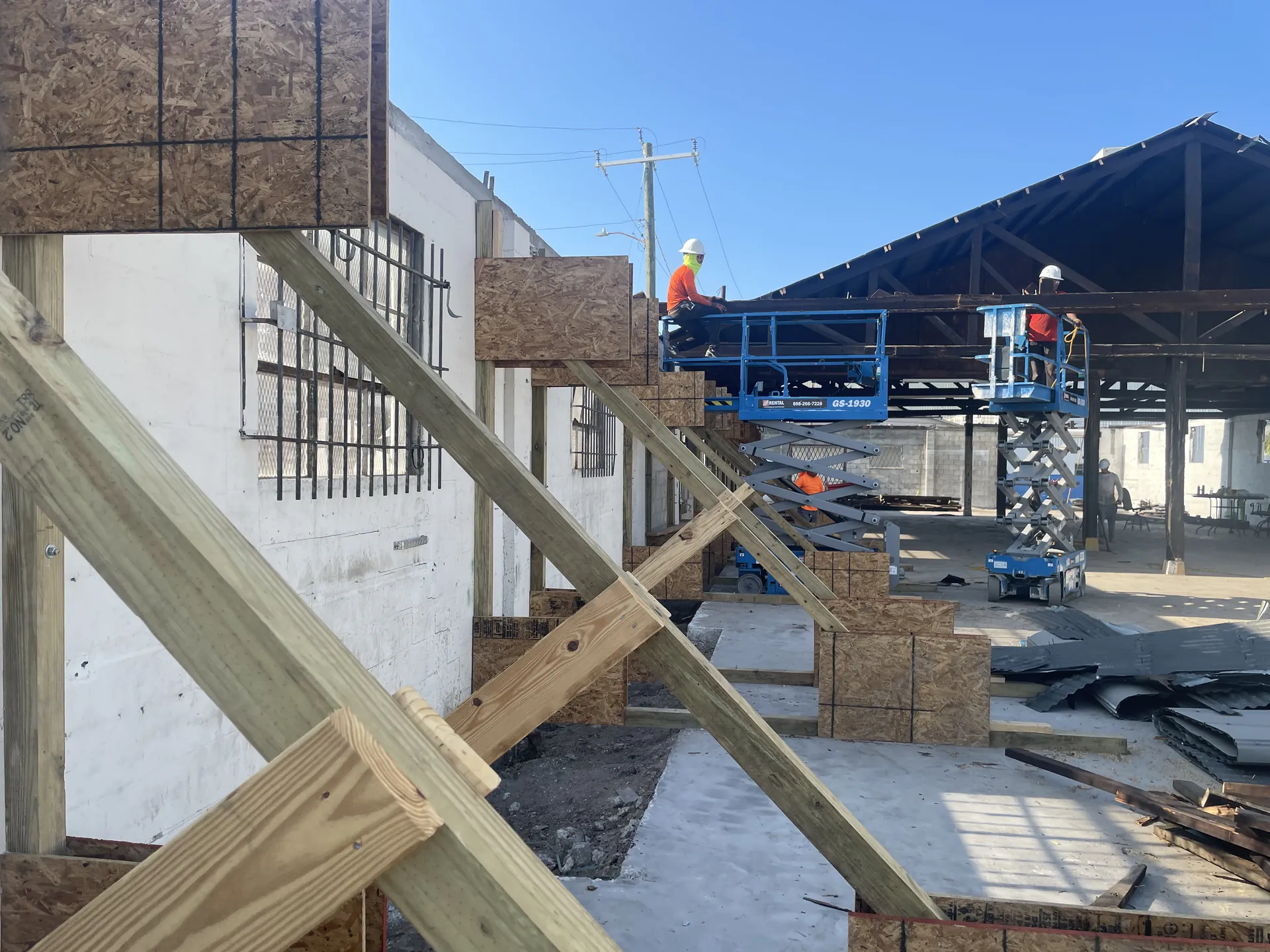
The structure still holds the evidence.
S-410.4
The Forensic Investigation Process
Forensic structural engineering follows a structured investigation methodology designed to produce defensible conclusions based on evidence rather than inference.
01 - Preliminary review. Before the site visit, we review all available documentation: original structural drawings, specifications, geotechnical reports, building permits, inspection records, prior engineering reports, and any photographs or videos documenting the condition over time. What the record shows - and what it is missing - shapes the investigation.
02 - Site inspection. We conduct a thorough physical examination of the structure and the failure or damage condition, documenting observations with photographs, measurements, and field notes. We look at the structural elements themselves and at the surrounding evidence - crack patterns, staining, settlement indicators, material conditions, and site drainage - that a non-engineering inspection would not capture or interpret.
03 - Materials testing and analysis, where warranted. When the investigation requires material characterization - concrete core samples, rebar corrosion staging, steel yield testing, or soil analysis - we coordinate with accredited testing laboratories and incorporate test results into the engineering analysis.
04 - Code and standard research. We research the applicable building codes, standards, and accepted engineering practice at the time of construction - not the current code - to establish the baseline against which the design and construction are evaluated.
05 - Engineering analysis. We apply structural analysis to the investigation findings - calculating whether the structure as built could resist the loads required by the code in effect, whether the observed failure mode is consistent with the alleged cause, and whether alternative explanations for the damage are plausible.
06 - Report and opinion. We produce a signed and sealed engineering report documenting our methodology, findings, analysis, and conclusions. Reports are written to support their intended use - insurance claim resolution, litigation, mediation, or property owner decision-making - while meeting the standards required of professional engineering opinions.
S-410.5
What Forensic Structural Engineering Finds in Florida Buildings
Florida's construction environment produces specific forensic patterns. An experienced forensic structural engineer in this market has seen these failure modes repeatedly - which shapes how investigations are framed and what evidence is most significant.
- Storm damage vs. pre-existing deficiency - the question that drives most insurance disputes. After a hurricane, the most contested forensic question is whether observed structural damage was caused by the storm or was pre-existing. Florida's hurricane frequency means many buildings have prior storm exposure, deferred maintenance, and accumulated deterioration alongside fresh storm damage. Separating these requires engineering analysis of crack patterns, corrosion staging, weathering evidence, and the documented storm parameters - not visual judgment.
- Construction defects in high-volume residential development. Florida's rapid residential construction cycles have produced a significant inventory of buildings with framing errors, inadequate hurricane connections, undersized beams, and foundations that deviate from the approved plans. These defects are often concealed during construction, surface years later, and require forensic investigation to establish that the condition is a defect - not normal behavior - and to trace it to its source.
- Foundation movement in Florida's variable soil conditions. Tampa Bay's sandy soils, organic fill deposits, and proximity to sinkhole-prone geology create foundation performance problems that can be difficult to diagnose without structural and geotechnical expertise working together. We investigate foundation distress with the engineering context needed to distinguish between normal settlement, expansive soil behavior, and sinkhole-related subsidence.
- Post-tensioned slab failures in coastal concrete construction. Post-tensioned slabs are common in Florida's coastal construction inventory. When post-tensioning systems corrode or fail - due to saltwater intrusion, inadequate grout protection, or construction defects - the failure can be sudden and the forensic investigation requires specific knowledge of how these systems work and how they fail.
In writing
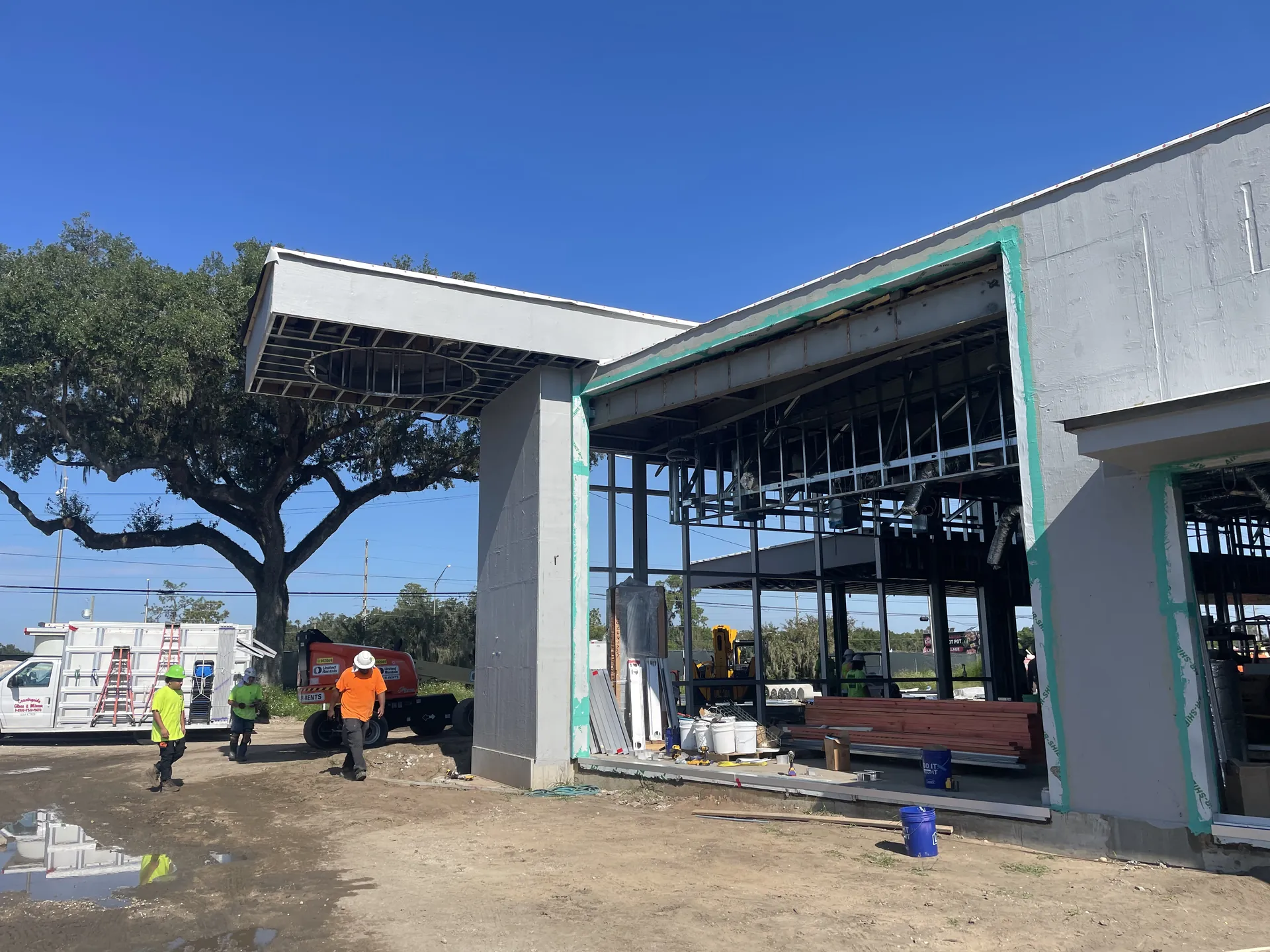
A finding is useful once it is written down.
Questions and answers.
S-410.7 / FAQ-
A home inspector conducts a general visual assessment of building systems and reports observable conditions. A forensic structural engineer conducts an engineering investigation - analyzing structural behavior, applying code standards, testing materials where warranted, and forming a professional engineering opinion on causation that can be used in litigation, insurance claims, or regulatory proceedings. A home inspector's report is a checklist. A forensic engineer's report is a PE-sealed professional opinion.
-
Yes. Our forensic reports are produced to the documentation standards required for engineering opinions in Florida litigation - signed and sealed by a Florida-licensed PE, methodology documented, findings supported by engineering analysis, and formatted to withstand deposition and cross-examination. We provide expert witness testimony in depositions, mediations, and trials.
-
We work for whoever engages us, and we form our opinions based on the evidence. We do not adjust our findings to support the position of the party that retained us. An engineer whose opinions are predictably aligned with the retaining party is not a credible expert. Our value to litigation clients - on either side of a dispute - is that our conclusions are defensible because they are based on independent engineering analysis.
-
Yes - and this is one of the advantages of working with a design firm that also does forensic work. When a property owner or contractor needs to understand what failed and then repair it, we can move directly from the forensic investigation to the repair design. The PE who analyzed the failure designs the remediation - with full understanding of the structural system, the failure mechanism, and what the repair needs to accomplish.
-
It depends on the complexity of the failure, the volume of documentation to review, and whether materials testing is required. A focused investigation - single failure mode, limited documentation, straightforward site conditions - can produce a report in two to three weeks. Complex multi-failure investigations with extensive documentation and materials testing take longer. We provide a realistic timeline at the start of every engagement.
Start with a conversation.
S-410.8 / next stepSpeak with a licensed PE
Tell us the project type, size and timeline and you get an engineering answer, not a sales call.
Call (813) 536-8002Send us your plans
Share plans, sketches or photos and we review them before we call. Scope, size and timeline are what let us give you a real number.
Request a consultationTell us about the project.
S-410.9 / consult requestThe more you can tell us about scope, size and timeline, the more useful our first call is. A licensed PE reads every one of these.