
Healthcare & Institutional Structural Engineering in Florida
Built to the Standard Essential Facilities Demand
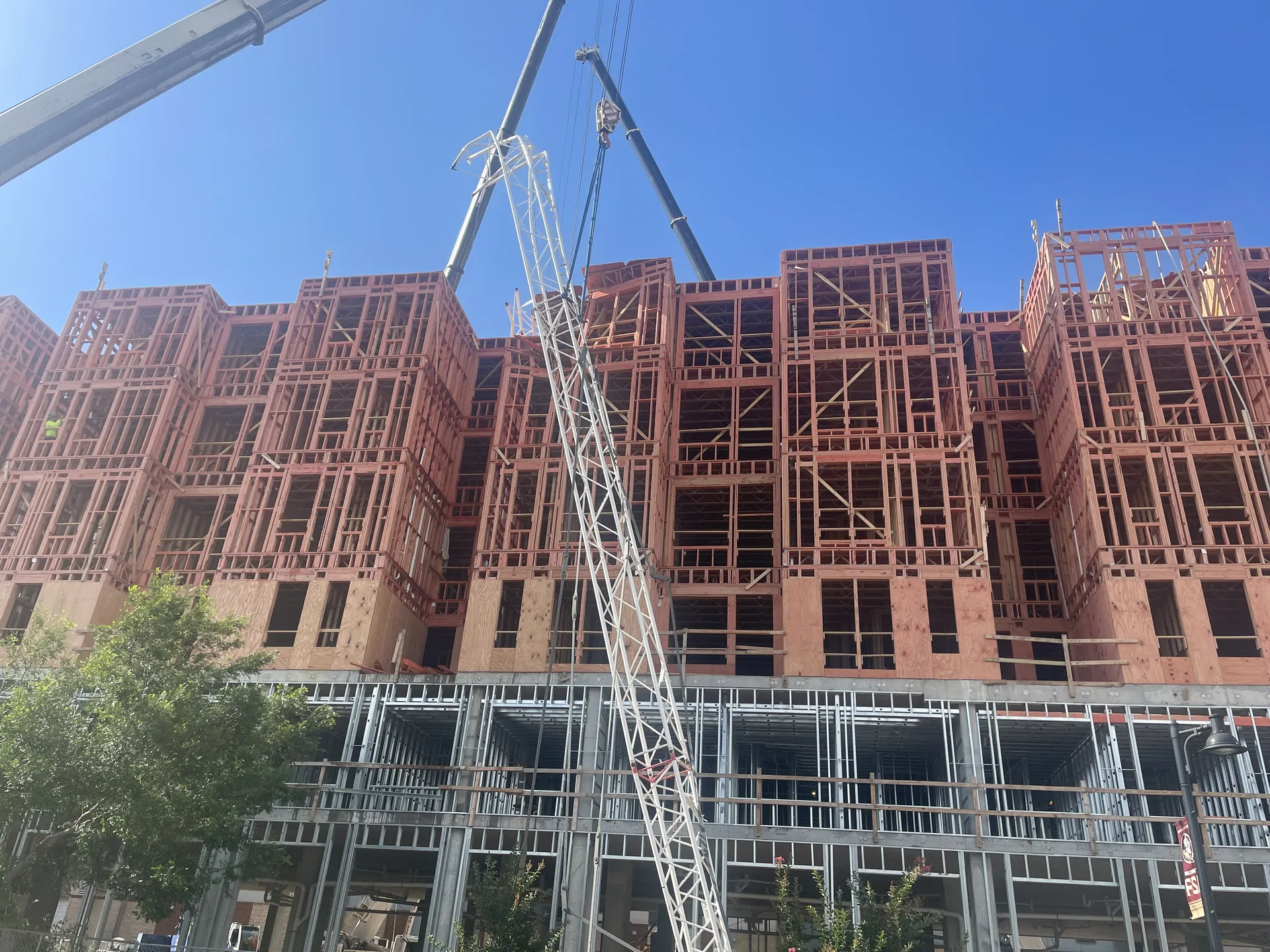
S-720.1
What Makes Healthcare Structural Engineering Different From Standard Commercial Work
Most structural engineers can design a commercial office building. Fewer have the specific experience healthcare facilities require - and the difference shows in the design, the coordination process, and what happens when a problem surfaces during construction in an active clinical environment.
- Risk Category requirements change the design baseline. Under ASCE 7, hospitals and emergency facilities are classified as Risk Category IV - essential facilities that must remain operational during and after design-level wind, seismic, and flood events. Risk Category IV structures are designed to higher wind speed maps and more demanding load factors than Risk Category II commercial buildings. A structural engineer who applies standard commercial assumptions to a healthcare project is designing to the wrong standard from day one.
- Floor vibration is an engineering problem, not a spec note. Imaging equipment - MRI, CT, X-ray, surgical robotics - operates within vibration tolerance limits measured in fractions of a millimeter. Floor systems in healthcare facilities must be designed to limit dynamic response under foot traffic and mechanical system operation. That requires structural analysis of the floor system's natural frequency, damping characteristics, and response to likely excitation sources - not a standard commercial floor beam design.
- MEP accommodation is structural work. A hospital's mechanical, electrical, plumbing, and medical gas infrastructure is extensive. It requires structural penetrations through beams and slabs, reinforced framing to support heavy equipment and rooftop units, inertia blocks for vibration-isolated mechanical equipment, and coordinated ceiling and interstitial space planning that has to happen in the structural model - not on the construction site. Late structural-MEP coordination is one of the most expensive failure modes in healthcare construction.
- AHCA oversight adds a regulatory layer. In Florida, hospitals, nursing homes, and certain healthcare facilities are subject to plan review by the Agency for Health Care Administration (AHCA) in addition to local building department review. Structural documents submitted to AHCA must meet specific documentation standards. Engineers unfamiliar with the AHCA review process produce documents that fail on the first submission - adding weeks to a schedule that the owner cannot afford to lose.
S-720.2
Healthcare & Institutional Structural Engineering Services
We provide full structural engineering services for healthcare and institutional projects from schematic design through construction administration:
- New healthcare facility structural design
- Hospitals, medical office buildings, outpatient surgery centers, imaging centers, urgent care facilities, and behavioral health facilities - designed to the applicable Risk Category under ASCE 7 and FBC, with full structural system design, foundation design, and lateral system design for Florida's wind environment.
- Floor vibration analysis and control
- Structural analysis of floor systems serving vibration-sensitive medical equipment. We evaluate natural frequency, mode shapes, and response to foot traffic and mechanical excitation against equipment manufacturer vibration tolerance criteria - and design the structural solution before the equipment is ordered, not after it fails acceptance testing.
- MEP-coordinated structural design
- BIM-coordinated structural models integrated with mechanical, electrical, and plumbing disciplines. Structural framing for heavy rooftop mechanical units, inertia block support design, beam penetration coordination, and interstitial floor system design - all resolved in the model before the first drawing is issued for permit.
- Phased renovation structural engineering
- Healthcare facilities that require structural work while remaining operational - renovation of occupied patient care areas, additions to functioning hospitals, infrastructure upgrades in active clinical environments - require a different approach than ground-up construction. We design phased structural scopes with temporary support strategies, sequenced shoring, and construction methodology that protects the operational zones.
- Structural assessment of existing healthcare facilities. Pre-acquisition assessments, condition evaluations for capital planning, and structural capacity analyses for equipment additions or program changes - all with documentation formatted for AHCA requirements and owner decision-making.
- Institutional structural engineering
- Government buildings, courthouses, emergency operations centers, fire stations, schools, and other Risk Category III and IV institutional facilities - designed to the heightened performance criteria these occupancies require.
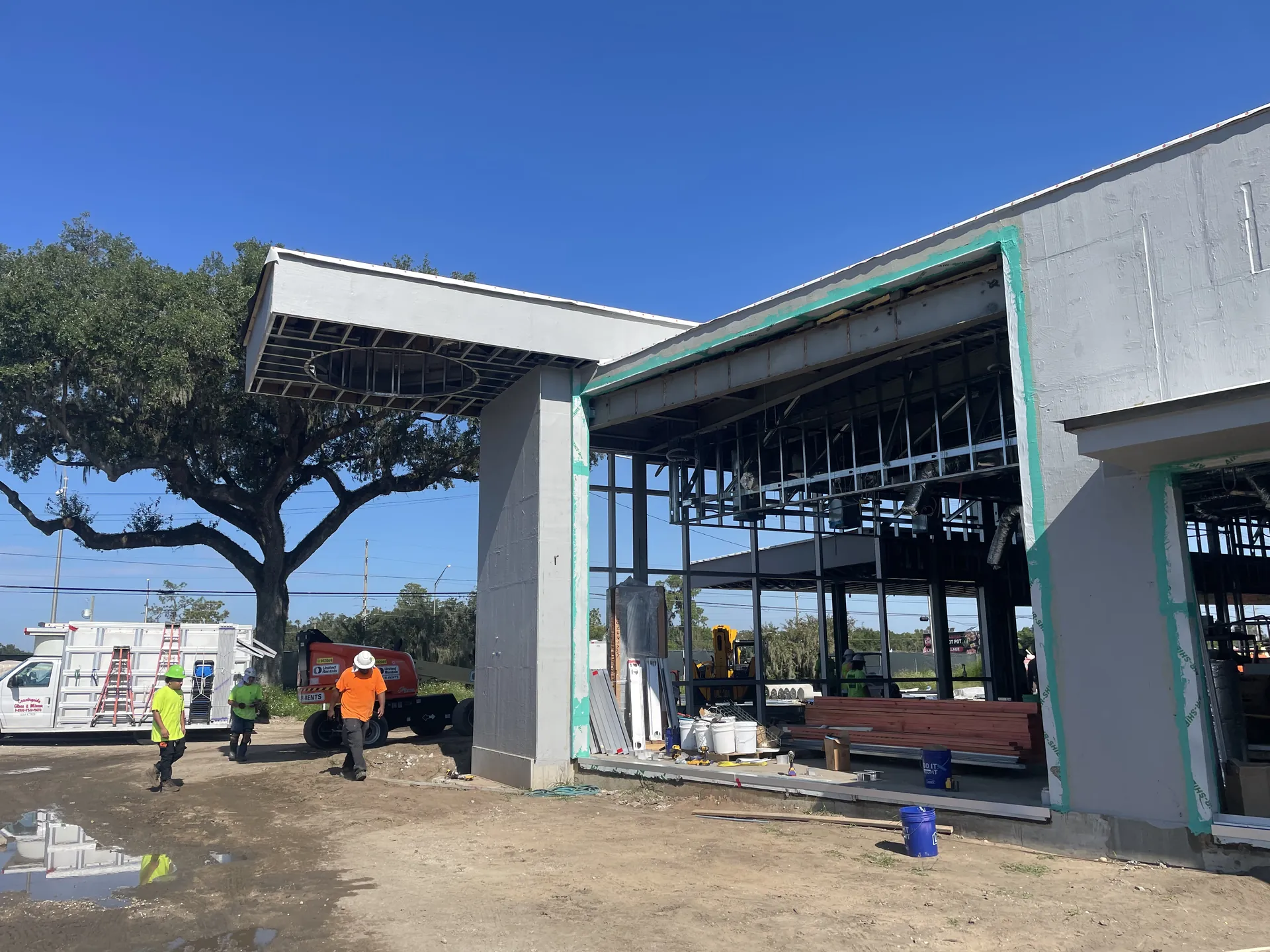
Healthcare
Buildings that cannot stop working.
S-720.4
Healthcare Building Types We Serve
Healthcare construction in Florida spans a range of facility types, each with its own structural demands. We work across all of them.
- Hospitals and acute care facilities
- The highest structural performance tier in healthcare - Risk Category IV essential facilities designed to remain operational after design-level events, with structural systems sized to the higher wind loads and more demanding load combinations that Risk Category IV demands.
- Medical office buildings and MOBs
- Typically Risk Category II or III depending on occupancy and services provided - but always with structural requirements driven by the equipment inventory, patient loading, and MEP infrastructure that clinical tenants bring. Structural floor systems for MOBs serving radiology or surgical suites require the same vibration analysis discipline as a hospital.
- Outpatient surgery centers and imaging centers
- Ambulatory surgery centers and standalone imaging facilities combine high MEP density, vibration-sensitive equipment, and clinical operational constraints in a building envelope that may appear straightforward from the outside. The structural engineering is not.
- Urgent care and clinical office
- Lower complexity than surgical facilities but still subject to MEP coordination requirements, healthcare-grade floor loading, and the coordination with architects and interior designers that clinical spaces demand.
- Behavioral health facilities
- Structural design for behavioral health environments adds a layer of consideration for ligature-resistant detailing, floor and ceiling system design that eliminates concealed attachment points, and structural support for the specialized door and frame systems these facilities require.
- Institutional
- schools, government, emergency services. Risk Category III and IV institutional buildings - emergency operations centers, fire and rescue stations, government facilities, and K-12 schools - designed to the performance standards that essential community functions require.
S-720.5
How We Coordinate on Healthcare Projects
Healthcare projects fail in coordination. The structural engineer who treats a hospital as a standard building and coordinates the way they would on a commercial office project will produce documents that generate field conflicts, change orders, and schedule delays in a project environment where every one of those outcomes is expensive.
- Early MEP engagement
- We establish structural framing geometry, beam depths, and penetration zones in coordination with the MEP engineer before the structural system is fixed. The conversations that prevent field conflicts happen in schematic design - not during construction administration.
- BIM-first workflow
- Our BIM Director produces the structural model in Revit, coordinated with architectural and MEP models, and clash detection runs before drawings are issued. Penetrations, clearances, and equipment support requirements are resolved in the model - where the correction costs nothing - rather than in the field, where it costs time, money, and often sequence.
- AHCA documentation standards
- Our construction documents for Florida healthcare facilities are formatted to meet AHCA plan review requirements from the first submission. We understand what the agency requires and how their review process differs from a standard local building department review.
- Phased construction planning
- For renovation and addition work in active healthcare facilities, we develop the structural scope with the construction sequence in mind from the start - identifying temporary support requirements, shoring strategy, and the order of operations that protects occupied spaces and clinical functions throughout the project.
Institutional
Longer spans and stricter review.
S-720.7
What We Look For That Others Miss in Healthcare Structural Design
Healthcare structural engineering failures tend to trace back to a small number of recurring errors that experienced engineers recognize - and that structural engineers without specific healthcare experience repeat.
- Vibration criteria applied after the floor system is designed. The most common vibration failure in healthcare construction is imaging equipment that fails acceptance testing in a floor system that was designed without vibration analysis. The correction - post-tensioned slab reinforcement, added mass, or mechanical isolation systems installed after the fact - is expensive and disruptive. We run vibration analysis concurrent with floor system design, when the structural solution is still available.
- Structural framing that doesn't accommodate the MEP routing. When structural beams are sized and located without reference to MEP routing plans, the field result is core-drilled holes in load-bearing members, or HVAC systems that can't reach their destinations without violating clearance requirements. We model the coordination before it becomes a problem.
- Risk Category applied to the building type rather than the function. A medical office building that provides emergency services, houses dialysis, or serves as the only outpatient facility in a community may warrant a higher Risk Category classification than a standard MOB. We evaluate the functional classification of every healthcare project and apply the correct Risk Category - which affects the structural design baseline for wind, seismic, and flood.
- Renovation scope that triggers AHCA review but wasn't planned for it. Renovations to licensed healthcare facilities in Florida often trigger AHCA plan review regardless of whether the local building department requires it. Owners and architects who don't anticipate that review - and structural engineers who don't document to AHCA standards - encounter submission rejections and schedule delays that could have been avoided with planning.
Questions and answers.
S-720.8 / FAQ-
Risk Category IV under ASCE 7 applies to essential facilities - structures that must remain operational during and after design-level hazard events. Hospitals and emergency healthcare facilities are the primary healthcare occupancies in Risk Category IV. Medical office buildings and outpatient facilities without emergency functions are typically Risk Category II or III. The classification affects the design wind speed, load factors, and performance expectations that govern the structural design. We determine the correct Risk Category for your specific facility and occupancy at the start of every healthcare engagement.
-
MRI and CT equipment imposes heavy point loads on floor systems - equipment weights can exceed 15,000 pounds - and requires that the floor system be designed to limit vibration within the manufacturer's tolerance criteria. This requires both gravity load analysis for the point loads and dynamic analysis of the floor system's response to foot traffic and mechanical vibration. The structural framing supporting the equipment pad, the floor system bay configuration, and the isolation strategy are all engineering decisions that need to be made before the equipment is purchased and the room is laid out.
-
Yes. Renovation and addition work in active healthcare facilities is a significant part of our healthcare practice. It requires a different approach to structural design - phased scopes, temporary shoring, protection of occupied zones, and close coordination with the construction sequencing plan - that we build into the structural documents from the start of the engagement.
-
We produce structural documents that meet AHCA submission requirements and respond to AHCA structural review comments. AHCA plan review is a distinct process from local building department review, with specific documentation standards and a review timeline that must be factored into the project schedule.
-
The primary differences are Risk Category, MEP complexity, and operational continuity requirements. Hospitals are Risk Category IV essential facilities with the most demanding structural performance requirements. Medical office buildings are typically Risk Category II, though specific occupancies - dialysis, surgery, imaging - add complexity. Both require MEP coordination and vibration analysis for clinical equipment. The level of phased construction complexity and AHCA oversight also differs based on facility type and licensing category.
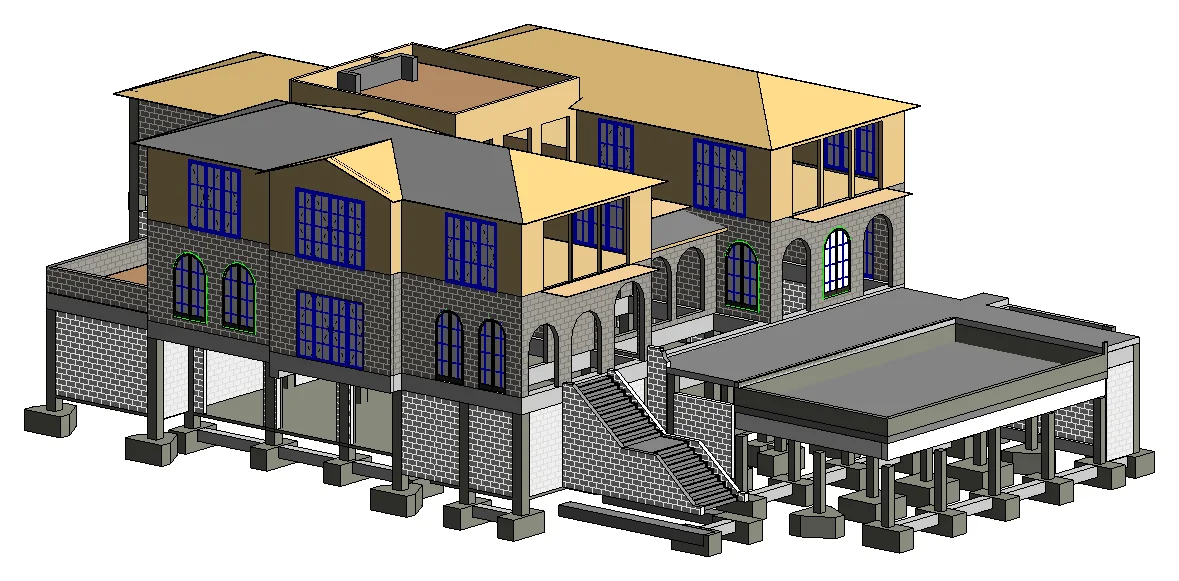
Coordination
Risk Category IV leaves no room for surprises.
Related work.
S-720.10 / relatedProjects rarely sit inside one service. These are the ones that most often come up alongside this work.
Start with a conversation.
S-720.11 / next stepSpeak with a licensed PE
Tell us the project type, size and timeline and you get an engineering answer, not a sales call.
Call (813) 536-8002Send us your plans
Share plans, sketches or photos and we review them before we call. Scope, size and timeline are what let us give you a real number.
Request a consultationTell us about the project.
S-720.12 / consult requestThe more you can tell us about scope, size and timeline, the more useful our first call is. A licensed PE reads every one of these.