
Residential Structural Engineering in Tampa, FL
The PE Behind Your Home's Most Important Decisions
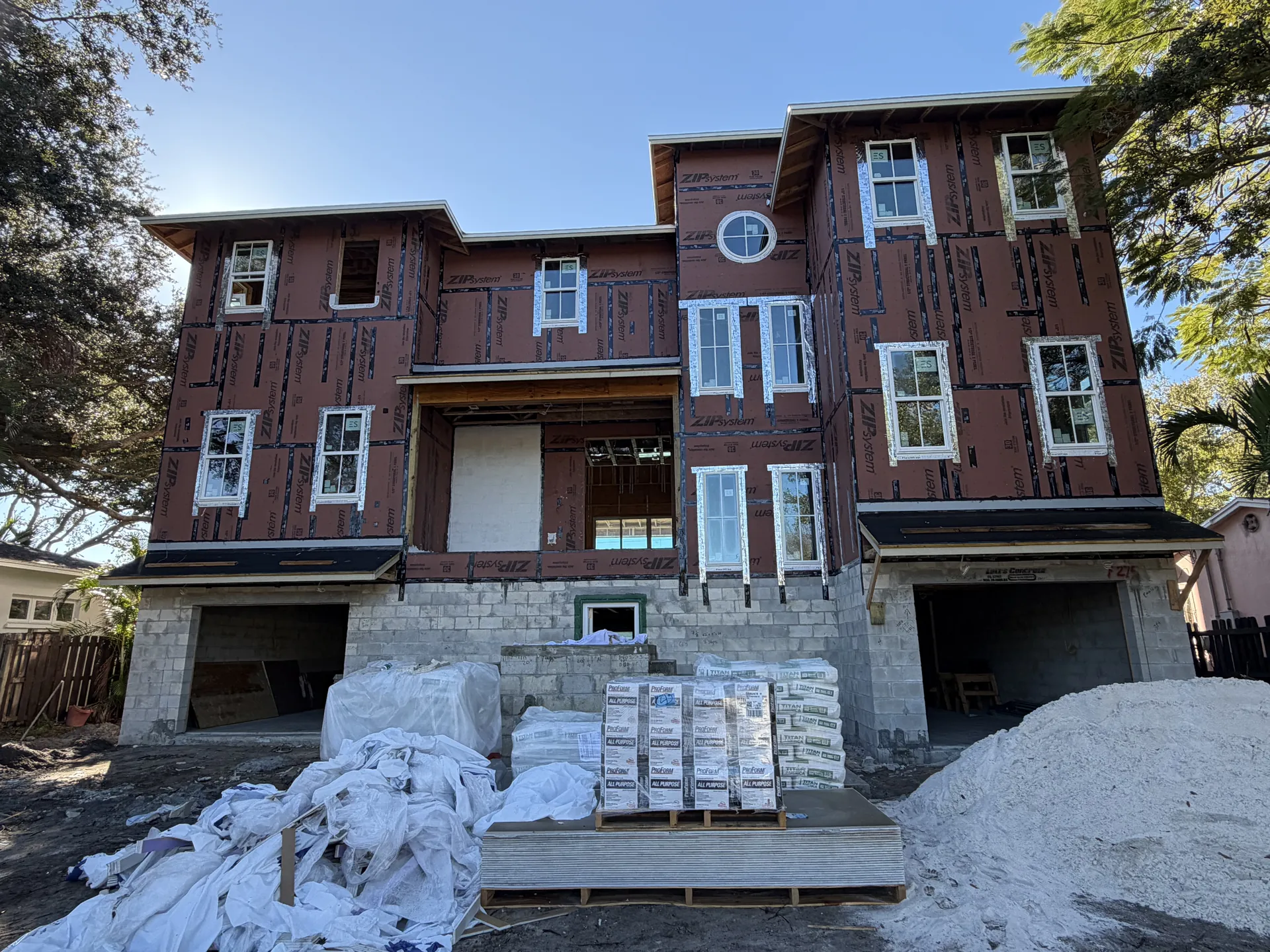
S-700.1
Residential Structural Engineering
Most homeowners hire a structural engineer exactly once - for the project that matters most. A second-story addition. A foundation that doesn't look right. A load-bearing wall someone wants to remove. A coastal home that needs to be built to survive what Florida throws at it.
At Duran Structural, we bring the same engineering rigor to your home that we bring to commercial buildings and healthcare facilities. You get a licensed Professional Engineer - not a junior staff member - who understands Florida's building codes, coastal construction requirements, and what it actually takes to get stamped documents through the permitting process without delays.
S-700.2
When Florida Homeowners Need a Structural Engineer
Not every home project requires a structural engineer. But when it does, getting the right one matters - because the PE's stamp is what makes your plans legal, permittable, and buildable.
You need a licensed structural engineer when you're:
- Adding to your home - a room addition, second story, garage, in-law suite, or ADU that changes load paths and foundation demands
- Removing or modifying a load-bearing wall - to open a floor plan, create a kitchen island, or merge rooms
- Concerned about your foundation - cracks, settlement, sinking, or soil movement that may be getting worse
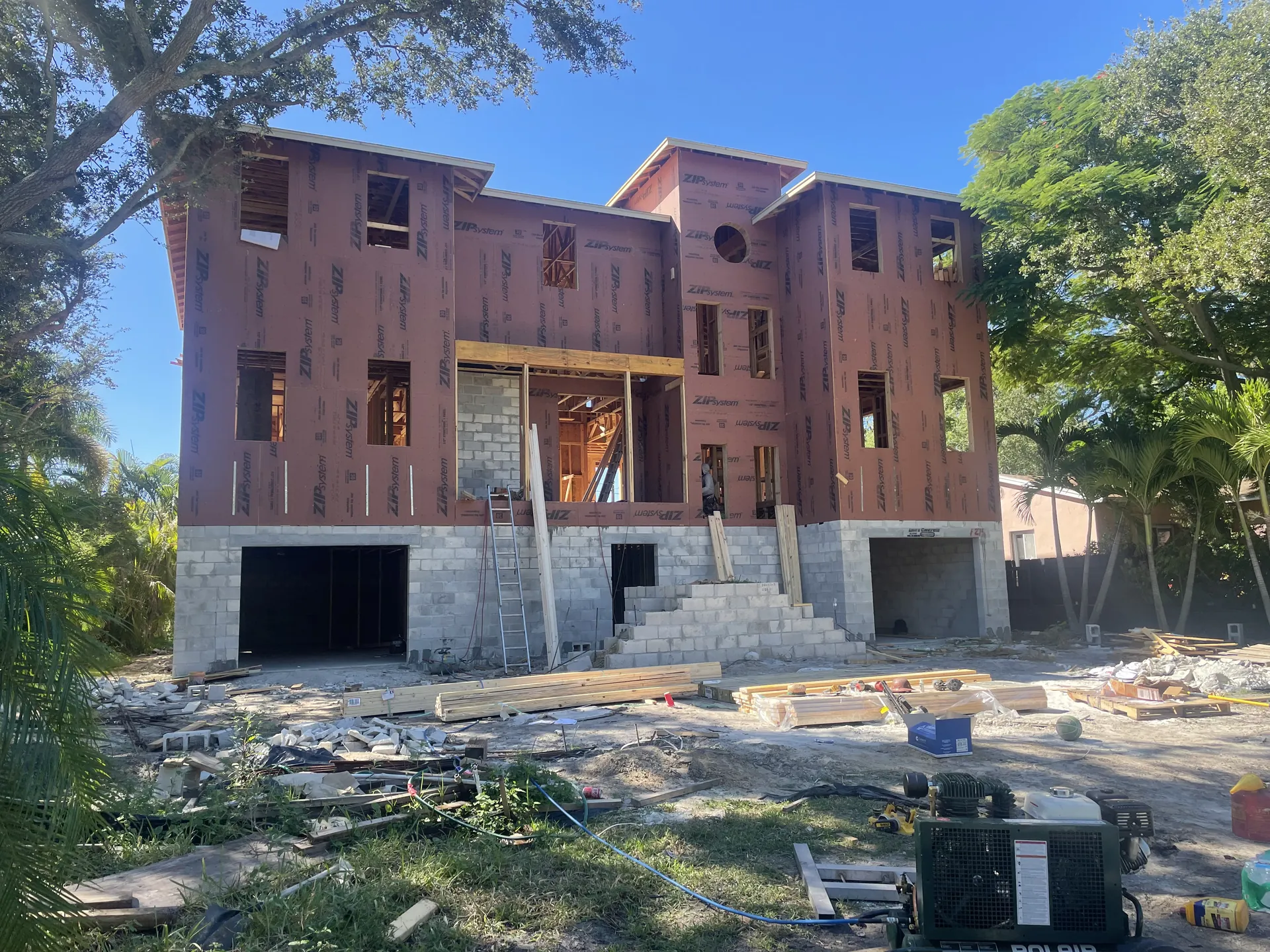
Residential
A house is a load path with rooms around it.
S-700.4
Residential Structural Engineering Services We Provide
We handle the full scope of structural engineering for residential projects in Tampa and throughout Florida:
- Additions and second stories
- Load analysis of the existing foundation and framing, design of new structural systems, and permit-ready drawings that integrate seamlessly with your architect's or designer's plans.
- Load-bearing wall removal and beam design
- Structural assessment of the wall in question, beam and post design sized for the actual loads, and stamped drawings your contractor can build from and your building department will approve.
- Foundation evaluation and repair design
- Assessment of cracking, settlement, or soil-related movement. PE-sealed repair documents if remediation is required. Clear documentation of what we found and what needs to happen - without unnecessary alarm or false reassurance.
- Coastal and high-wind residential design
- New home structural design and existing home evaluations for Florida wind zone compliance. We understand coastal construction - elevated foundations, continuous load paths, hurricane strapping, and impact-resistant envelope requirements - and we design to code requirements that actually reflect your specific site conditions.
- Pre-purchase structural assessments
- An engineering-level evaluation before you close on a property. Not a general home inspection - a structural engineer's assessment of the specific elements that determine whether the building's bones are sound.
- Structural repair documents
- PE-sealed drawings required to permit structural repairs after storm damage, contractor error, or deterioration. Formatted for building department submission.
S-700.5
What Makes Residential Structural Engineering Different in Florida
Florida is not an average structural environment. A residential PE in Tampa is working with a different set of constraints than one in the Midwest or the Northeast - and the engineering has to reflect that.
- High-wind design
- Hillsborough County and the surrounding Tampa Bay area fall within Florida's wind-borne debris region. New construction and significant renovations must meet Florida Building Code (FBC) requirements for wind resistance - and those requirements have become more demanding with each code cycle. We design to the actual wind speed map for your specific site, not a generic assumption.
- Coastal flood zone requirements
- Properties in FEMA-mapped Special Flood Hazard Areas must meet minimum floor elevation requirements, foundation type restrictions, and flood-resistant construction standards. We know these requirements and we design to them from day one - not as a permitting afterthought.
- Sandy and variable soils
- Tampa Bay's soil profile is inconsistent. Sandy soils, organic fill, and the persistent reality of sinkhole risk in parts of Hillsborough County affect foundation design decisions in ways that aren't always obvious to engineers without local experience. We factor site-specific conditions into every residential foundation recommendation.
- Aging housing stock
- The majority of homes in the Tampa Bay area were built before modern building codes were in place. Older construction methods, undersized framing, and outdated foundation systems require a structural engineer who understands how pre-code buildings behave - and how to upgrade them without over-engineering or creating problems downstream.
Residential
Masonry below, framing above, one load path.
S-700.8
How a Residential Structural Engineering Engagement Works
01 - Initial contact. You describe the project - what you're planning to do, what you're concerned about, or what you've already found. We ask what we need to know to scope the work.
02 - Scope and fee. We provide a clear scope of services and fee before any work begins. Residential structural engineering is project-based - you know the cost before you commit.
03 - Document and field review. For most projects, we review existing drawings if available and conduct a site visit to assess the current structural conditions firsthand. What we observe in the field drives the engineering - not assumptions.
04 - Engineering and drawings. We perform the structural analysis and produce the drawings and calculations your project requires - sized, detailed, and formatted for your building department's submission requirements.
05 - PE stamp and delivery. Signed and sealed by a Florida-licensed Professional Engineer. Ready for permit submission and ready for your contractor to build from.
06 - Ongoing support. We respond to building department comments, answer contractor questions during construction, and provide site observations if your project warrants them.
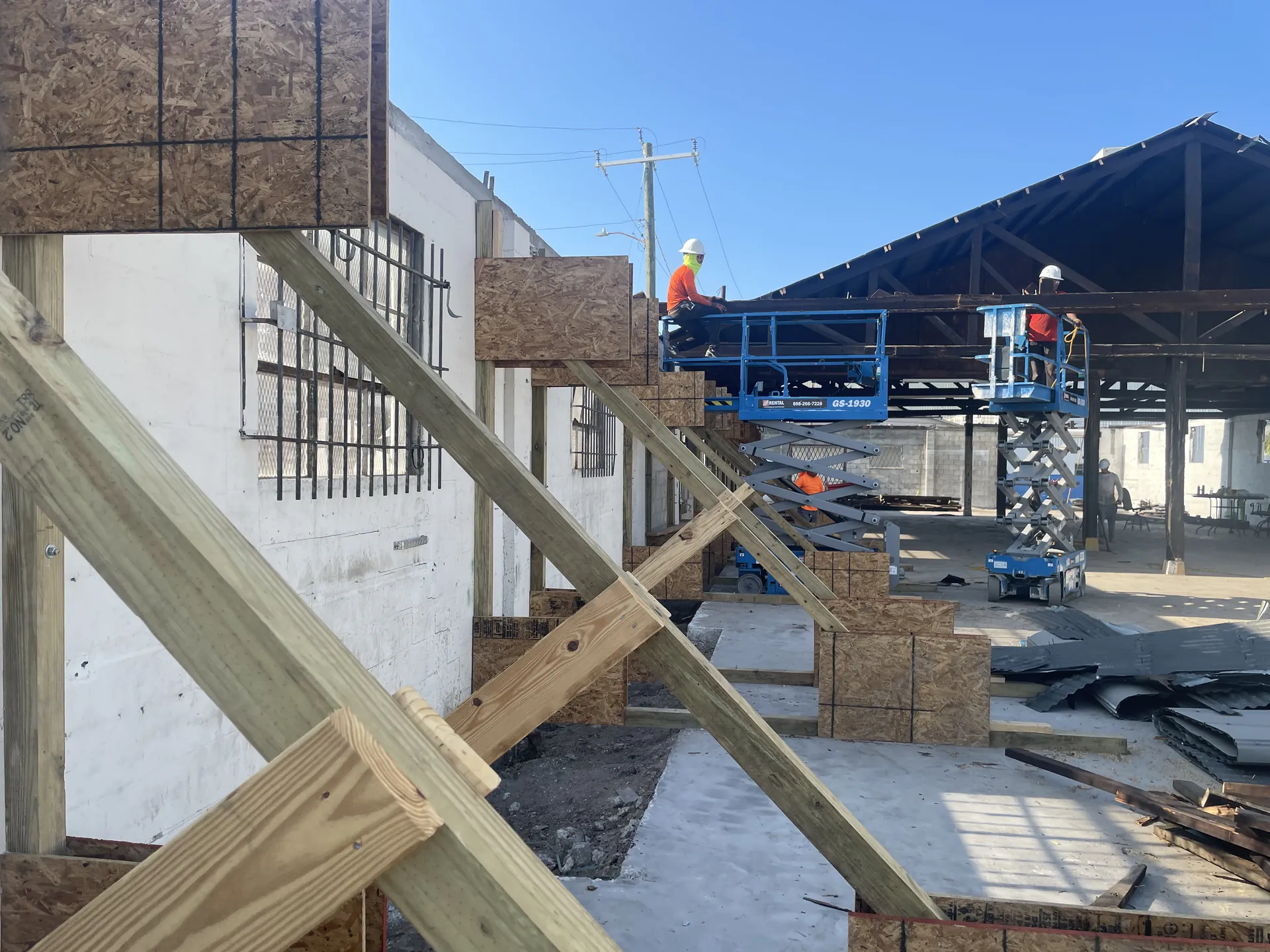
On site
The drawings promise; the site delivers.
S-700.9
What We Look For That Others Miss
Structural problems in Florida residential construction have patterns. An experienced PE who has assessed hundreds of homes in this region recognizes them - not from a checklist, but from knowing what the environment does to buildings over time.
- Undetected foundation movement
- Diagonal cracking at door and window corners is frequently dismissed as settling or cosmetic. In Tampa's variable soil environment, those patterns sometimes indicate active foundation movement - the kind that gets significantly more expensive to address the longer it goes unexamined.
- Roof-to-wall connection deficiencies
- Homes built before hurricane strapping requirements were enforced - roughly pre-2002 - frequently have roof framing that is attached to wall plates with toenail connections only. Those connections are inadequate under the wind loads Florida now requires. The roof looks fine. The connection is not.
- Undersized beams in older additions
- Permitted additions in older homes were sometimes engineered under code cycles that did not require the same analysis depth current code demands. When a client wants to add to an addition, we evaluate the whole load path - not just the new work.
- Post-storm concealed damage
- Visible hurricane damage - missing shingles, broken windows, water intrusion - often comes with invisible structural damage: racked framing, compromised connections, and foundation displacement that won't show up on a general inspection report.
At dry-in
The stage where the structure is all you see.
Questions and answers.
S-700.12 / FAQ-
They serve different purposes. A home inspector provides a general condition assessment across all building systems. A structural engineer evaluates the specific structural elements - load-bearing walls, beams, foundation, framing - and provides the engineering analysis and stamped documents that a building department or contractor can act on. If a permit is involved, or if you need a professional to take responsibility for the structural assessment, you need a PE.
-
For most projects - load-bearing wall removal, single-story addition, foundation assessment - expect two to four weeks from initial site visit to stamped drawings, depending on project complexity and current project load. We'll give you a realistic timeline at the start of your project and flag anything that might affect it.
-
Yes. We work directly with architects, designers, and contractors on residential projects. If your team already has a set of plans, we can work from them. If you're starting from scratch, we can recommend the level of architectural documentation your project needs before structural engineering begins.
-
It means a licensed Professional Engineer has taken professional responsibility for the structural design. Building departments in Florida require PE-stamped structural documents for most permitted work involving load-bearing elements - and a PE stamp from an engineer without Florida licensure is not valid here. All of our work is stamped by a Florida-licensed PE.
-
Yes. We hold PE licensure in Florida, North Carolina, Georgia, and Alabama. Most residential structural engineering work is completed with a single site visit and remote drawing production. If your home is in Florida but outside the Tampa metro, contact us - we likely serve your area.
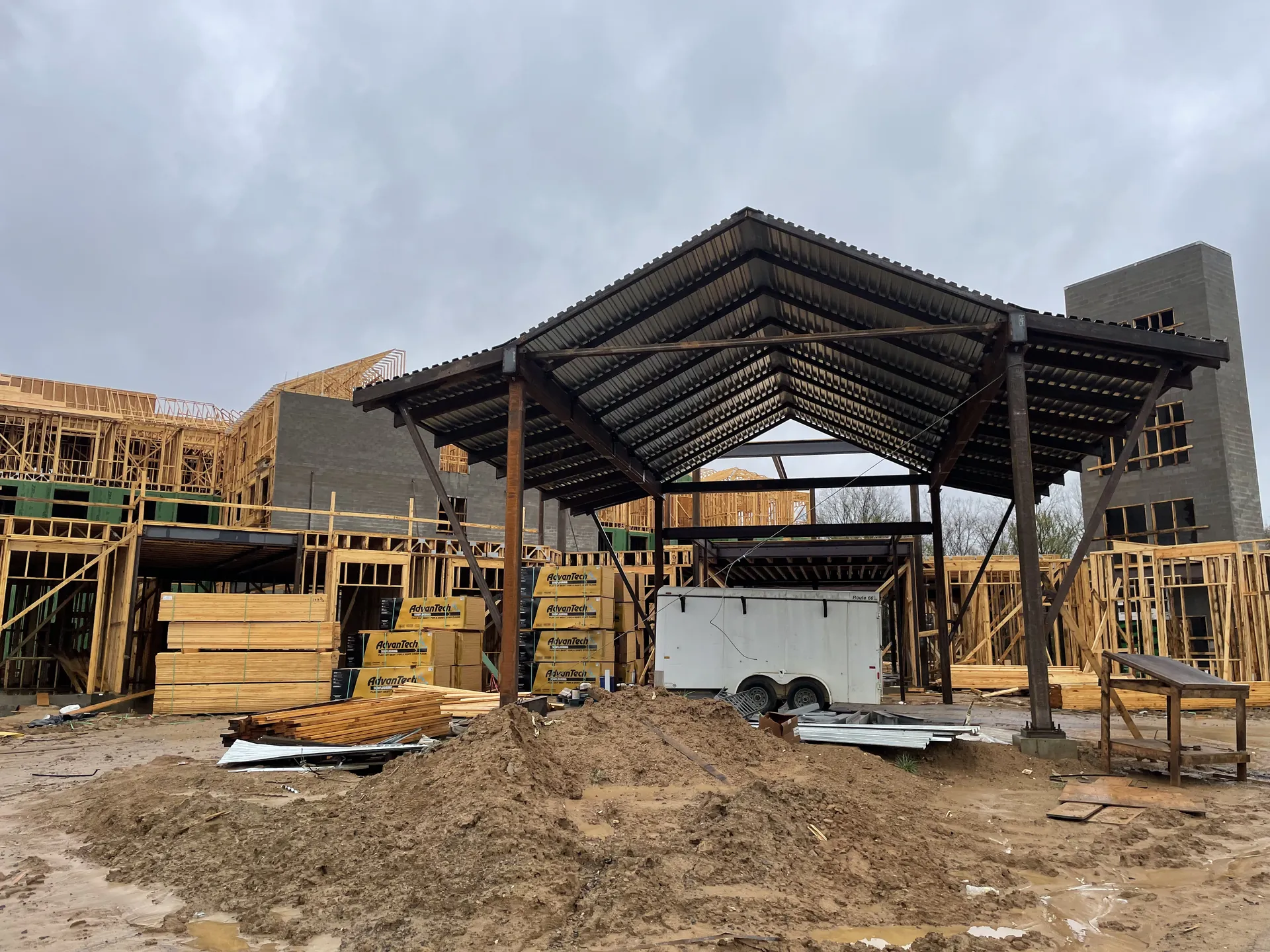
Coastal homes
Steel where the span outgrows wood.
Related work.
S-700.14 / relatedProjects rarely sit inside one service. These are the ones that most often come up alongside this work.
Start with a conversation.
S-700.15 / next stepSpeak with a licensed PE
Tell us the project type, size and timeline and you get an engineering answer, not a sales call.
Call (813) 536-8002Send us your plans
Share plans, sketches or photos and we review them before we call. Scope, size and timeline are what let us give you a real number.
Request a consultationTell us about the project.
S-700.16 / consult requestThe more you can tell us about scope, size and timeline, the more useful our first call is. A licensed PE reads every one of these.