
Structural Assessment & Peer Review in Florida
An Independent Engineering Opinion Before It Costs You More to Find Out Later
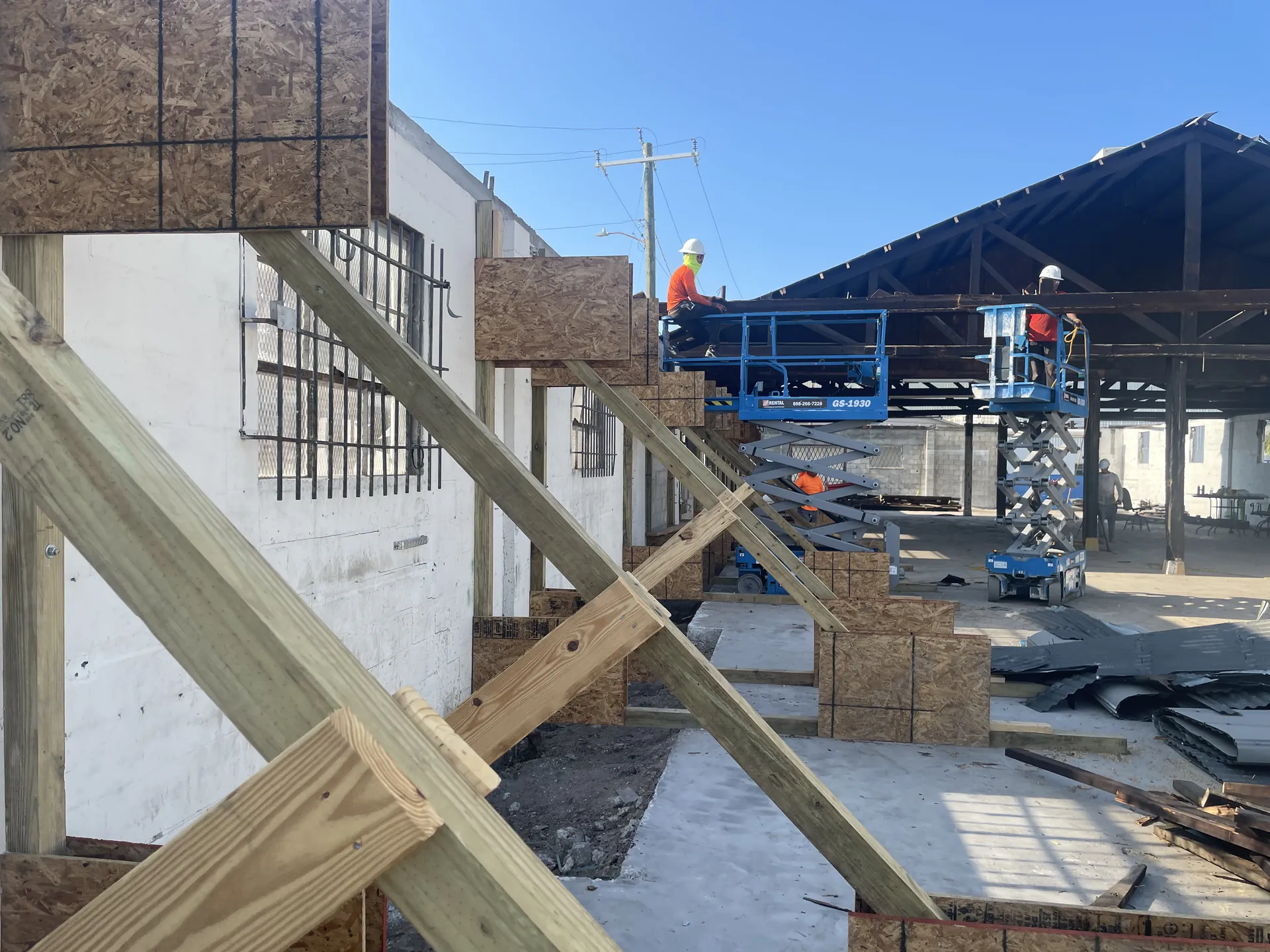
S-400.1
Two Services, One Purpose
Structural assessment and peer review are separate engagements that serve a common purpose: getting an independent, qualified structural engineering opinion on something you need to understand before you commit to it.
- Structural assessment is applied to existing buildings. A developer evaluating an acquisition needs to know what the structure actually is, what condition it is in, and what it will cost to bring it to its intended use. A property owner with visible cracking, deflection, or deterioration needs an engineering determination of whether what they are seeing represents a maintenance item, a repair need, or a structural concern. An HOA board that received an alarming inspection report needs an engineer to interpret what the findings actually mean in structural terms and what, if anything, needs to happen next.
- Peer review is applied to design documents. An owner who hired an architect and structural engineer wants an independent assessment that the structural design is complete, code-compliant, and constructable before the permit set goes out. A developer who regularly builds in Florida's high-wind environment wants a second structural engineer to review lateral system design and load path documentation before construction starts. A contractor who received structural drawings with ambiguous details needs an engineering review before pricing the work.
- In both cases, the value of independence is the point. The structural engineer conducting the assessment or review had no role in the original design decisions, carries no bias toward a particular outcome, and has no relationship to protect with the prior design team.
S-400.2
Structural Assessment Services for Existing Buildings
Pre-acquisition structural due diligence. Before purchasing a commercial property, multifamily building, or development site with existing structures, a structural assessment establishes what you are actually buying. We evaluate the structural system, visible condition, evidence of prior damage or deferred maintenance, and any structural concerns that should affect purchase price, renovation budget, or deal structure. Pre-acquisition assessments are scoped to the complexity of the property and the stage of the transaction - from high-level due diligence reviews to detailed condition assessments with cost estimates.
- Existing building condition assessment. When visible cracking, deflection, settlement, or deterioration raises questions about structural performance, a condition assessment provides an engineering determination - not a general contractor's opinion or a home inspector's checklist - of what the condition represents, why it is occurring, and what it requires. We assess the structural system in the context of the observed conditions, the building's age and construction type, and the applicable engineering standards, and produce a PE-sealed report documenting findings and recommendations.
- Assessment for renovation or change of occupancy. Changing a building's use - converting office to residential, increasing occupant load, adding a rooftop mechanical load - often requires a structural assessment of whether the existing structure can accommodate the new demand. We evaluate the existing structural system against the proposed loading conditions, identify any elements that require upgrading, and provide the structural documentation required for permitting.
- HOA and condominium structural assessment. Board members, property managers, and attorneys working with Florida condominium associations frequently need independent structural engineering review of conditions observed during milestone inspections, repair contractor reports, or insurance claims. We provide structural assessments that give boards the engineering basis to understand what they are dealing with, what it costs to address, and how to prioritize action - without the conflict of interest that exists when the engineer doing the assessment is also bidding the repair work.
- Structural assessment for insurance and dispute resolution. When an insurance claim or legal dispute requires an independent structural engineering opinion on the condition of an existing building, we provide assessments formatted for that purpose - PE-sealed, methodology documented, conclusions defensible under challenge.
Second opinion
An independent read of the same drawings.
S-400.4
Structural Peer Review Services
Design document peer review. We conduct independent structural peer review of permit-ready construction documents - drawings and calculations - for projects where an owner, developer, or architect wants an independent structural engineering assessment before the documents are submitted or put out to bid. We review for structural completeness, code compliance under the Florida Building Code and applicable ASCE standards, load path continuity, and internal consistency between the structural drawings and the architectural and MEP documents.
- What we look for in a structural peer review
- The most common findings in structural peer reviews are not catastrophic errors. They are gaps in documentation that create field ambiguity, load combinations that were calculated against an outdated code edition, connection details that are structurally adequate but difficult or impossible to build as drawn, inconsistencies between the structural drawings and the architectural floor plan that will generate RFIs during construction, and lateral system designs that are compliant on paper but have constructability problems that will surface at framing. These findings are most valuable - and least expensive to address - before the permit set is finalized.
- Owner's representative peer review
- Owners who are investing significant capital in a construction project and who want independent structural oversight - without replacing their engineer of record - use peer review as a risk management tool. We serve as an independent structural engineering resource to the owner throughout design development and permitting, reviewing documents at key milestones and providing the owner with a structural engineering perspective that is not filtered through the design team.
- Peer review for jurisdictional or lender requirements. Some Florida jurisdictions, lenders, and project delivery structures require an independent structural peer review as a condition of permit, financing, or project approval. We provide peer review services formatted to meet those requirements, with documentation of scope, methodology, and findings.
- Value engineering review
- When a structural system as designed is over-budget and the contractor or owner wants to evaluate cost reduction options, we provide an independent structural review of proposed substitutions or design changes - assessing whether a proposed value engineering change maintains code compliance and structural performance or introduces risk that offsets the cost savings.
S-400.5
What Makes an Effective Structural Assessment or Peer Review
The difference between a useful structural assessment and a report that leaves questions unanswered - or a peer review that provides real risk reduction versus one that generates a comment list and calls it done - comes down to the engineering experience behind it and the intent with which it is conducted.
- Independence without antagonism
- A peer review that approaches the engineer of record's work as a target rather than a collaboration produces defensiveness and friction that delays resolution. We conduct peer reviews as constructive technical evaluations - identifying the issues that matter, communicating them clearly, and working toward resolution rather than building a list. The goal is a better set of documents, not a performance record of someone else's errors.
- Structural depth, not just code-checking
- An effective structural assessment requires engineering judgment about what the observed conditions mean in the context of the specific structural system, the building's age and loading history, and the applicable standards. A checklist inspection identifies what is visible. A structural assessment interprets what the evidence means structurally - which requires the same expertise that goes into designing structures.
- Findings that lead to decisions
- The purpose of a structural assessment or peer review is to enable a decision - buy or don't buy, permit as drawn or revise, repair now or monitor. Findings that are technically accurate but expressed at a level of ambiguity that prevents decision-making have not served their purpose. We communicate assessment findings and peer review conclusions in plain terms that support the decision the client needs to make.
- A design firm doing assessment work
- Because Duran is a practicing design firm, our structural assessments and peer reviews benefit from current design-level expertise - we are not an inspection firm that also does engineering, but a structural engineering design practice that also conducts assessments and reviews. That means our peer review comments reflect how structures are actually designed and built, and our assessment findings reflect what remediation actually requires.
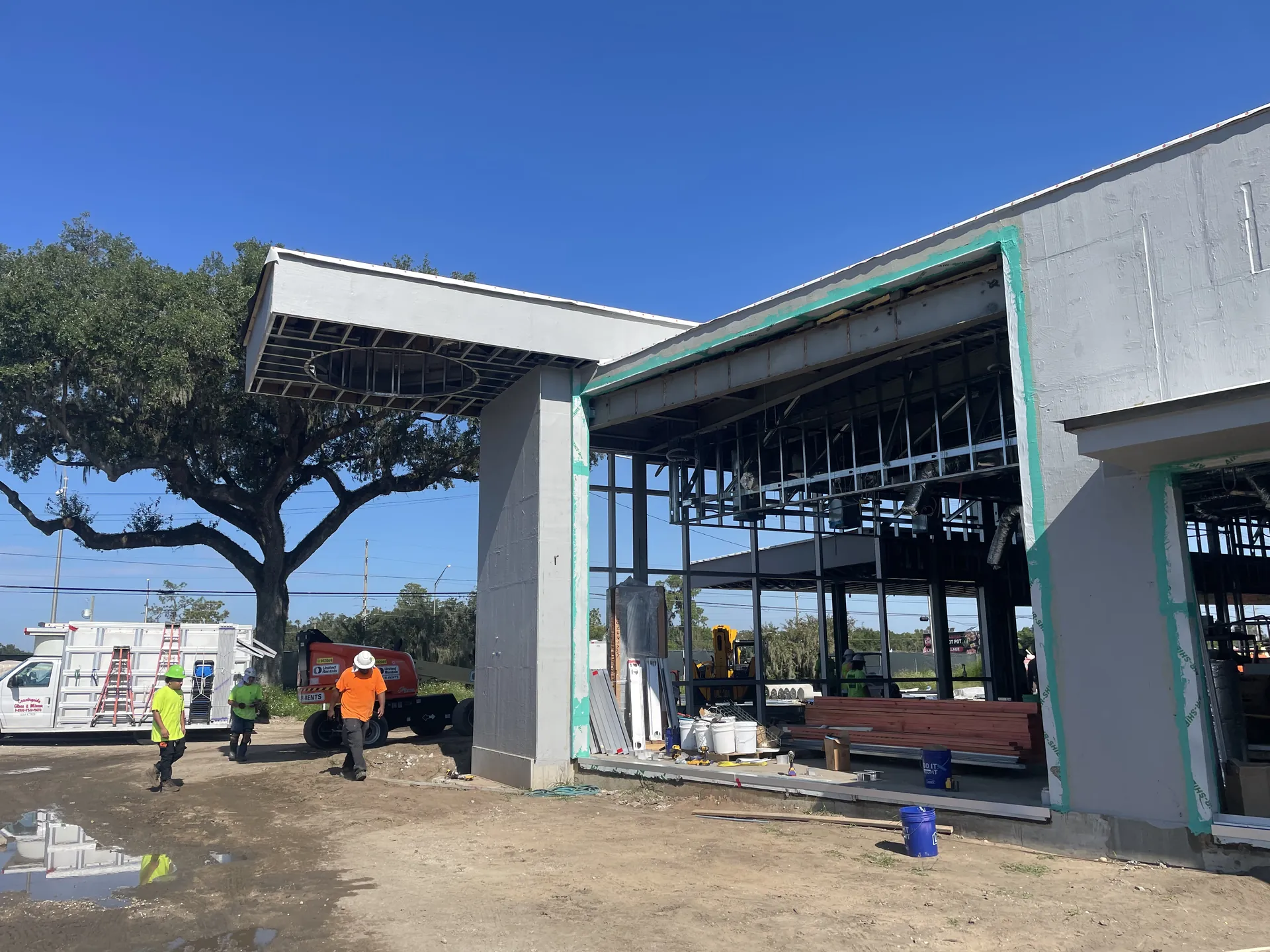
Existing structure
The building is the first piece of evidence.
S-400.8
Who We Work With on Structural Assessment and Peer Review
Developers and investors acquiring existing commercial, multifamily, or mixed-use properties in Florida who need independent structural due diligence before closing or before committing to a renovation budget.
Architects and design teams who want independent structural peer review of their engineer of record's documents - either as a quality control step or in response to an owner requirement - before the permit set is finalized.
Property owners and HOA boards who have received alarming inspection findings, contractor repair estimates, or insurance assessments and need an independent structural engineering opinion on what those findings actually mean and what response is warranted.
Attorneys and insurance professionals who need independent structural assessments of existing buildings to support claims resolution, dispute proceedings, or coverage determinations.
Lenders and project finance teams whose due diligence requirements include independent structural review of existing buildings or design documents.
Request a Structural Assessment or Peer Review
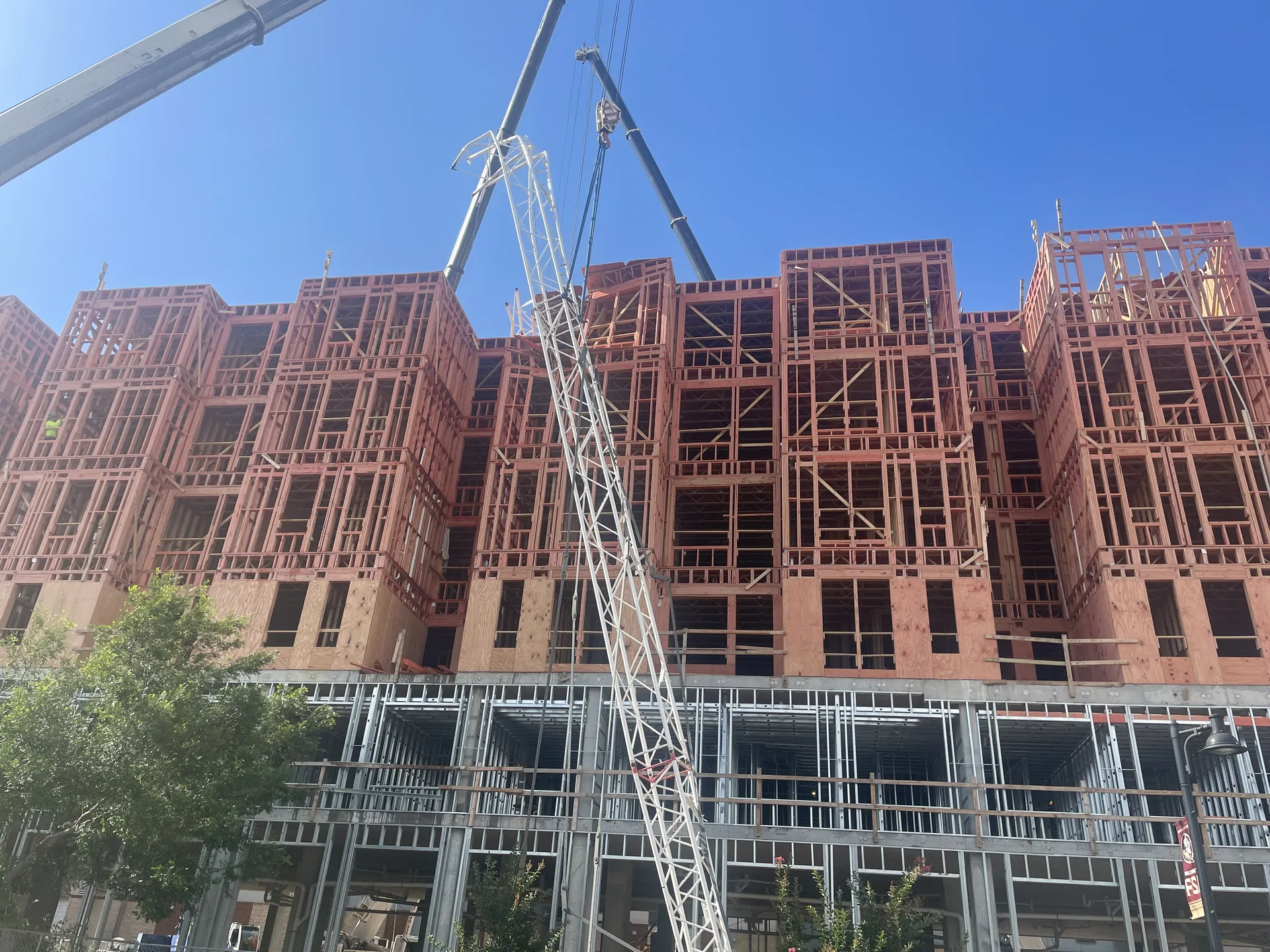
Before it costs more
Questions are cheapest before the pour.
Questions and answers.
S-400.9 / FAQ-
A structural assessment is conducted by a licensed Professional Engineer applying engineering analysis to what is observed. A home inspector or general building inspector conducts a visual check of building systems and reports observable conditions. A structural assessment goes further: it interprets what the observed conditions mean structurally, applies engineering judgment about cause and severity, and produces a PE-sealed professional opinion - not a checklist. The difference matters most when the condition being assessed involves structural performance rather than building systems.
-
It depends on the scope defined at the start of the engagement. A full peer review covers structural drawings and calculation packages - reviewing for code compliance, load path completeness, connection adequacy, consistency with architectural documents, and constructability. A focused peer review addresses a specific structural system or concern. We define the scope clearly at the outset so the client understands what the review covers and what it does not.
-
No. The engineer of record remains responsible for the structural design. A peer reviewer provides an independent assessment of that design - identifying issues, asking questions, and confirming adequacy - but does not assume design responsibility. The EOR retains the stamp and the professional responsibility for the documents.
-
Yes. We are licensed in Florida, and we conduct structural assessments and peer reviews throughout the state. For assessment engagements that require site visits, we confirm location and scope upfront.
-
A pre-acquisition due diligence assessment for a commercial property typically takes five to ten business days from site visit to report delivery, depending on document availability and building complexity. A peer review of a complete permit set typically takes seven to fourteen business days depending on the size and complexity of the project. We provide a realistic timeline at the start of every engagement.
-
For structural assessments, the deliverable is a PE-sealed engineering report documenting scope, methodology, observations, findings, and recommendations - formatted for the intended use, whether that is a real estate transaction, a board presentation, a permit application, or litigation support. For peer review, the deliverable is a written review report documenting comments, findings, and the resolution of each item - typically coordinated directly with the engineer of record.
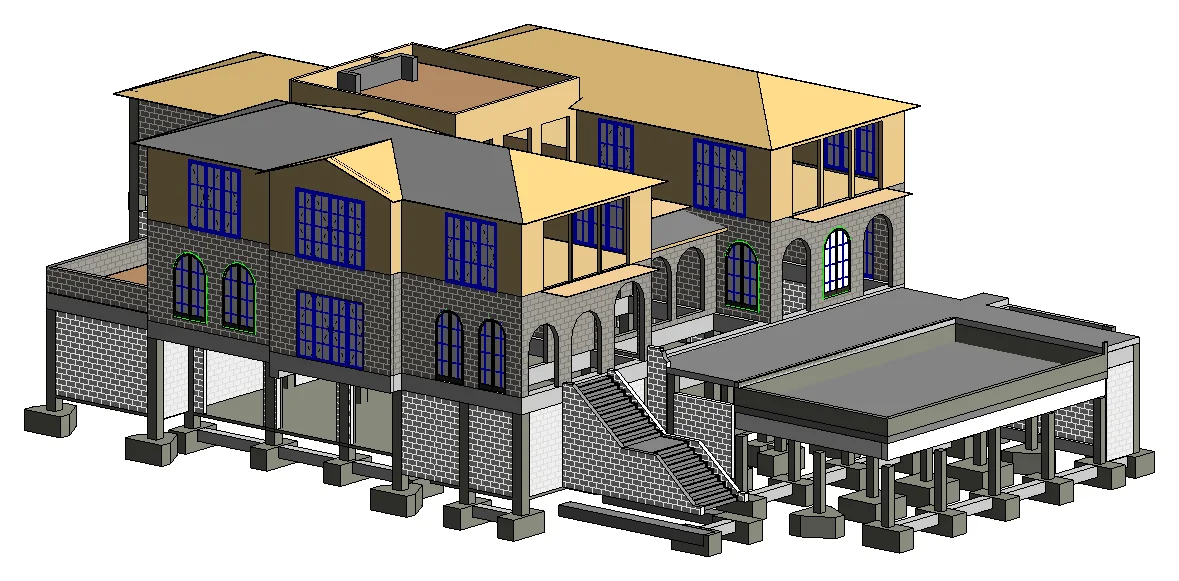
On paper
A review ends in a document, not a phone call.
Related work.
S-400.11 / relatedProjects rarely sit inside one service. These are the ones that most often come up alongside this work.
Start with a conversation.
S-400.12 / next stepSpeak with a licensed PE
Tell us the project type, size and timeline and you get an engineering answer, not a sales call.
Call (813) 536-8002Send us your plans
Share plans, sketches or photos and we review them before we call. Scope, size and timeline are what let us give you a real number.
Request a consultationTell us about the project.
S-400.13 / consult requestThe more you can tell us about scope, size and timeline, the more useful our first call is. A licensed PE reads every one of these.