
Structural Engineering for Renovations & Additions in Florida
Plans That Pass Permit and Support What You're Building On
S-210.1
Structural Engineering
Most renovation and addition projects reach a point where an architect, contractor, or building department requires a structural engineer. That point is usually load-bearing wall removal, a second story or room addition, a significant new opening in an exterior wall, a change that adds load to an existing foundation, or a commercial tenant improvement that modifies the structural system.
What you need from a structural engineer at that point is direct: an engineer who can assess what is actually there, design what is needed, and produce PE-sealed permit documents that move the project forward rather than slow it down.
Duran Structural Design Studio provides structural engineering for residential and commercial renovation and addition projects throughout Florida. Fast, direct PE access. PE-sealed drawings produced for permit. Built around the same builders' mindset we bring to new construction - designed to be built, not just to pass review.
S-210.2
When Your Renovation or Addition Needs a Structural Engineer
Florida building departments require structural engineering plans - signed and sealed by a licensed PE - for renovation and addition work that affects the structural system. The most common triggers:
- Load-bearing wall removal
- Removing a wall to open a floor plan, create a great room, or expand a kitchen requires a structural engineer to determine what is actually load-bearing, design the replacement beam and support system, and produce permit-ready structural drawings. The consequences of getting this wrong - undersized beams, inadequate posts, foundations that weren't designed for concentrated point loads - show up immediately or years later. A PE-sealed beam design is what the permit requires and what protects the structure.
- Room additions and horizontal expansions
- Adding square footage to a residence or commercial building - a room addition, a garage conversion, a sunroom, an expanded ground-floor footprint - requires structural engineering for the new foundation, wall framing, and roof system, and often requires assessment of the existing structure the addition connects to. In Florida's high-wind environment, the connection between a new addition and the existing building is a structurally significant junction, not just a framing detail.
- Second story additions
- Adding a second story to a single-story structure is one of the most structurally complex residential renovation scenarios. The existing foundation may or may not be adequate to carry the additional load. The first-floor framing needs to be evaluated for the new gravity and lateral demands. The wind load design for the taller building envelope requires engineering specific to Florida's design wind speeds. And the connection between the new second floor and the existing structure is a critical load path element that needs to be designed, not assumed.
- ADUs and accessory dwelling units
- Florida's growing ADU market - detached backyard cottages, garage conversions, above-garage units - involves structural engineering at every level: foundation design for new detached structures, structural modification of existing garages being converted, and second-story additions over existing accessory structures.
- Commercial tenant improvements
- Structural modifications that accompany commercial tenant improvements - new floor openings, relocated demising walls, added mezzanines, rooftop equipment loads, slab cuts for new MEP penetrations - require structural engineering and PE-sealed drawings for permit, and benefit from early coordination between the structural engineer and the architect and MEP team before the tenant improvement drawings are finalized.
- Work on buildings where the structure is unknown. Florida's housing and commercial inventory includes a significant number of buildings where original structural drawings either don't exist or don't reflect what was actually built. Before structural modifications can be designed, the existing structure needs to be assessed - which means a site visit, investigation of structural conditions, and engineering judgment about what is actually there.
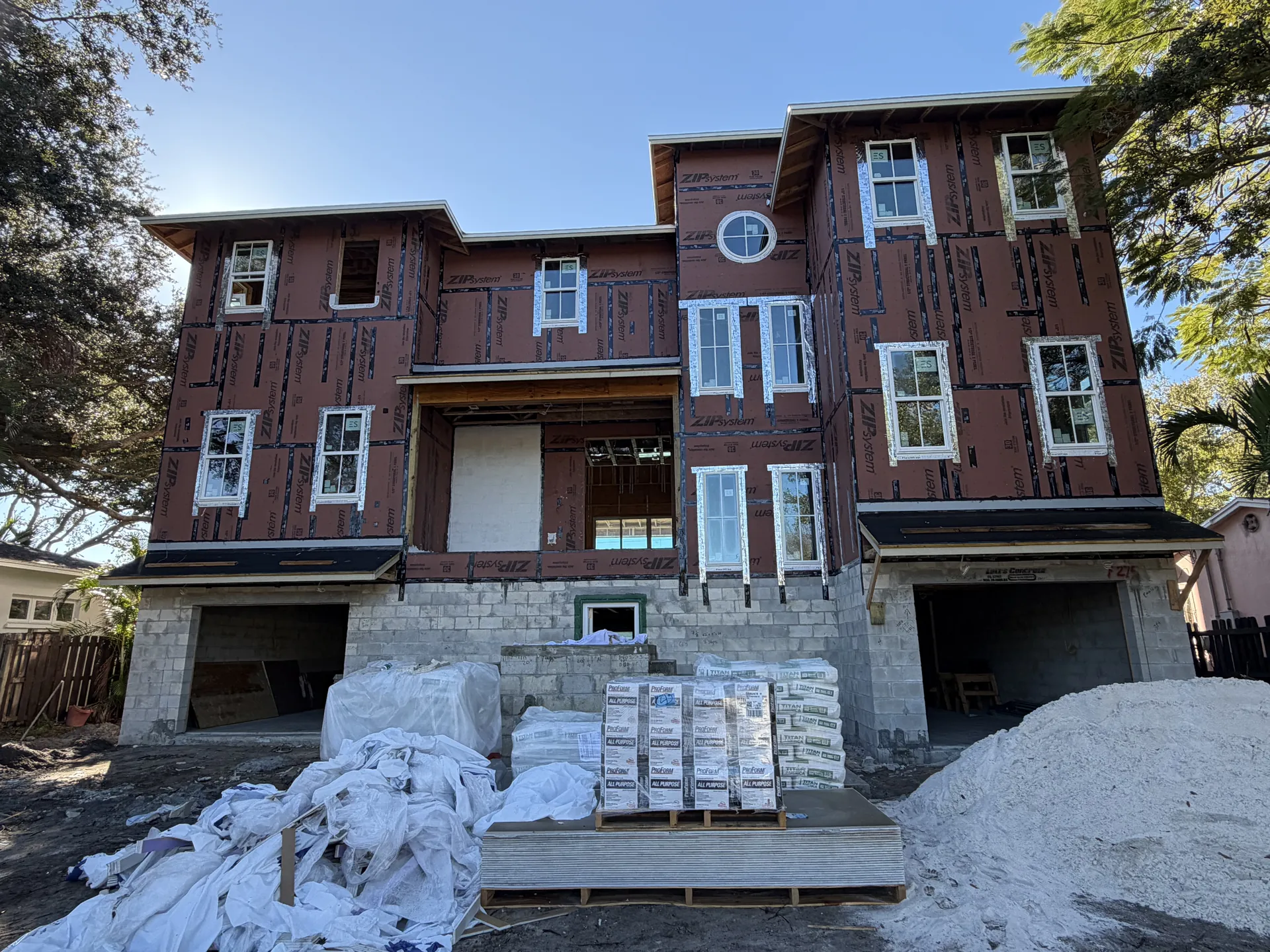
Existing structure
Every opening is load taken somewhere else.
S-210.4
Renovation and Addition Structural Engineering Services
Structural assessment of existing conditions. Before designing any renovation or addition, we assess what is actually there - existing framing, foundation conditions, load path, and structural system characteristics that will affect the modification design. In Florida's older housing stock and commercial inventory, what was originally built and what current drawings show are frequently not the same thing. We document existing conditions with a site visit and produce a structural baseline that drives the renovation design.
- Load-bearing wall analysis and beam design. We determine whether walls are load-bearing, analyze the loads they carry, design replacement beams and support systems sized for the actual load conditions, and produce the structural drawings and details required for permit. We size posts and specify foundation bearing conditions for concentrated point loads - the element that is most commonly undersized or absent in unpermitted wall removal work.
- Room addition and horizontal expansion structural design. Foundation design, framing design, and roof structure for new addition square footage - coordinated with the architectural layout and designed for Florida wind loads from the start. We provide PE-sealed structural drawings in the format required by Florida building departments for residential and commercial addition permits.
- Second story and vertical addition structural engineering. Evaluation of the existing foundation and first-floor framing for second story loading, lateral system design for the taller building, connection design at the first-to-second floor interface, and full structural drawings for the new second floor framing and roof system. We address Florida's wind load requirements for taller structures and the connection requirements that are specific to high-wind design - not as an afterthought, but as a core part of the structural design.
- Commercial tenant improvement structural engineering. Structural support for TI scope - new slab openings, mezzanines, equipment pads, demising wall modifications - coordinated with the architectural and MEP drawings. We provide structural engineering that anticipates the coordination issues that generate RFIs and change orders when the structural and MEP scopes are not developed together.
- Structural repair and remediation during renovation. Renovation projects regularly uncover structural conditions that require remediation - deteriorated framing, undersized original beams, foundation conditions that weren't apparent before demolition. We provide structural repair designs during the renovation process, with the responsiveness that renovation timelines require.
S-210.5
What Florida's High-Wind Environment Means for Renovation and Addition Work
Renovation and addition work in Florida carries wind design obligations that don't apply in most other states - and that are frequently underweighted when projects are designed without adequate structural engineering input.
- Additions trigger wind compliance for the whole building in some cases. Under the Florida Building Code, additions that meet certain thresholds of size or value relative to the existing building can trigger the requirement that the entire structure be brought into compliance with current wind design standards - not just the addition itself. Understanding where this threshold falls for a specific project, and how to structure the scope to address it, is part of the structural engineering work on Florida renovation projects.
- New openings in exterior walls affect the wind load envelope. Creating a new large opening - for a sliding door, an expanded window, a garage door - in an exterior wall changes the wind pressure distribution on the building. In Florida's design wind speed environment, these changes require engineering analysis of header sizing, jamb capacity, and the effect on the lateral system at that wall line.
- Connections are the failure point, not the materials. Florida's post-hurricane forensic record consistently identifies connection failures - not material failures - as the primary cause of structural damage. Roof-to-wall connections, wall-to-foundation connections, and the connection between additions and existing structures are where renovation projects most commonly fall short of the performance Florida's wind environment requires. We design those connections explicitly, with the detail required to build them correctly.
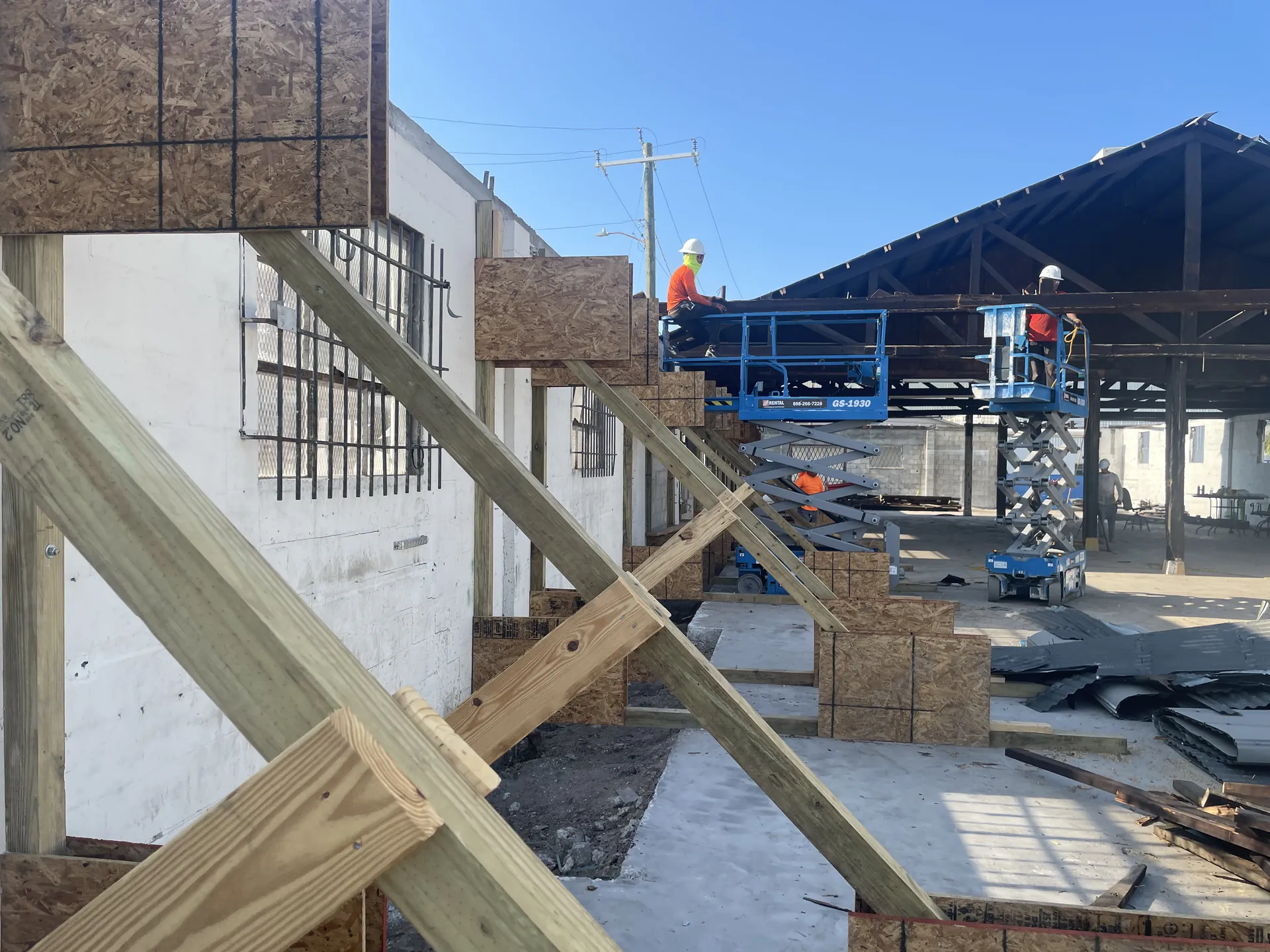
On site
Existing conditions decide what is possible.
S-210.7
Working With Your Architect and Contractor
Renovation and addition projects work best when the structural engineer is brought in early - ideally during design development, before the architectural drawings are finalized and certainly before a contractor has priced the work from documents that don't yet include structural details.
- Early engagement prevents expensive surprises
- The most costly structural findings on renovation projects are the ones that surface during demolition, when the existing condition turns out to be different from what was assumed during design. Early structural assessment - before the architectural design is locked - gives the design team the information needed to design around what is actually there, rather than discovering it mid-construction.
- We work with your architect's drawings
- We receive the architectural plans and produce coordinated structural drawings that reference the architectural layout, specify the structural elements the contractor needs to build, and resolve the structural-architectural coordination issues that would otherwise generate RFIs in the field.
- We're responsive during construction
- Renovation projects generate structural questions during construction - conditions that differ from what was documented, details that need clarification, new scope that gets added. We respond to contractor RFIs and field questions with the directness and turnaround that renovation schedules require. The same PE who designed the structure responds to the question - not an intermediary.
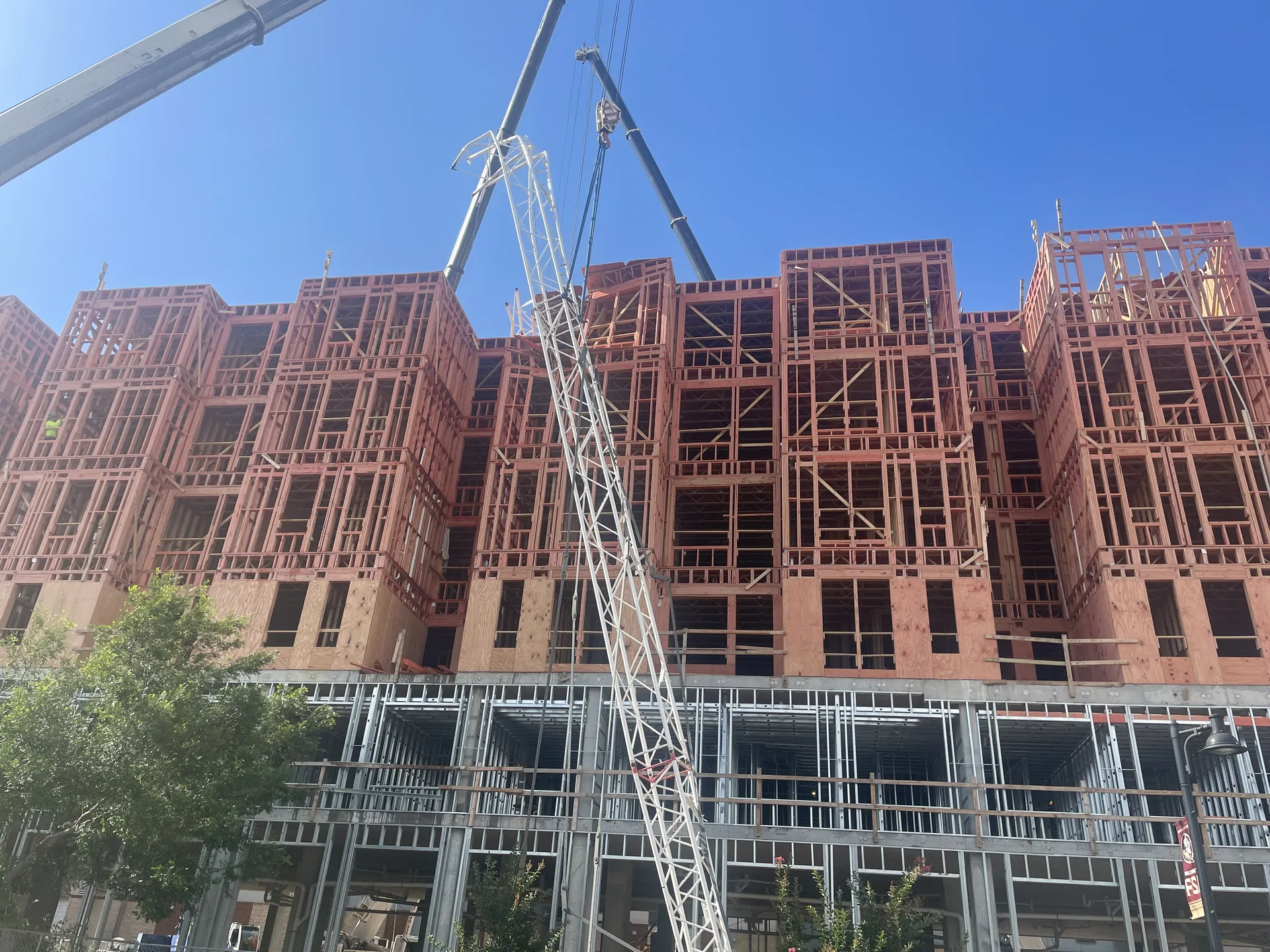
Additions
New framing has to land on something.
Questions and answers.
S-210.10 / FAQ-
Not every renovation - but any renovation that involves removing or modifying load-bearing walls, adding square footage, changing the roof structure, adding a second story, or modifying the foundation requires PE-sealed structural drawings for permit. In Florida, the building department's plan review will identify structural requirements, and work that proceeds without proper structural engineering creates liability for the property owner and the contractor.
-
The accurate answer requires an engineer to assess the specific wall in the context of the specific structure - framing direction, load path above, foundation conditions below. Rules of thumb about walls running perpendicular to joists or walls positioned in the center of the house are generalizations that are regularly wrong. The cost of a structural assessment to confirm whether a wall is load-bearing is small relative to the cost of correcting an undersized beam or an inadequate post after the wall is already open.
-
Yes. Most of our renovation and addition work involves coordination with an architect who has designed the space and a contractor who will build it. We produce structural drawings in the format the building department requires and in a level of detail that gives the contractor what they need to build without ambiguity.
-
It depends on the scope. A focused load-bearing wall removal with beam design and permit drawings typically takes one to two weeks from site visit to deliverable. Larger addition projects with full structural design scope take longer. We give a realistic timeline at the start of every engagement - and we treat renovation project timelines as real constraints, not suggestions.
-
Yes, in virtually all cases. Detached ADUs require foundation and framing design for the new structure. Garage conversions involve structural modification of the existing garage and often require foundation assessment. Above-garage ADUs are second story additions, with all the structural complexity that entails. Florida building departments require PE-sealed structural drawings for ADU permits.
Start with a conversation.
S-210.11 / next stepSpeak with a licensed PE
Tell us the project type, size and timeline and you get an engineering answer, not a sales call.
Call (813) 536-8002Send us your plans
Share plans, sketches or photos and we review them before we call. Scope, size and timeline are what let us give you a real number.
Request a consultationTell us about the project.
S-210.12 / consult requestThe more you can tell us about scope, size and timeline, the more useful our first call is. A licensed PE reads every one of these.