
Structural Engineering for New Construction in Tampa, FL
Designed to Build, Not Just to Pass Permit
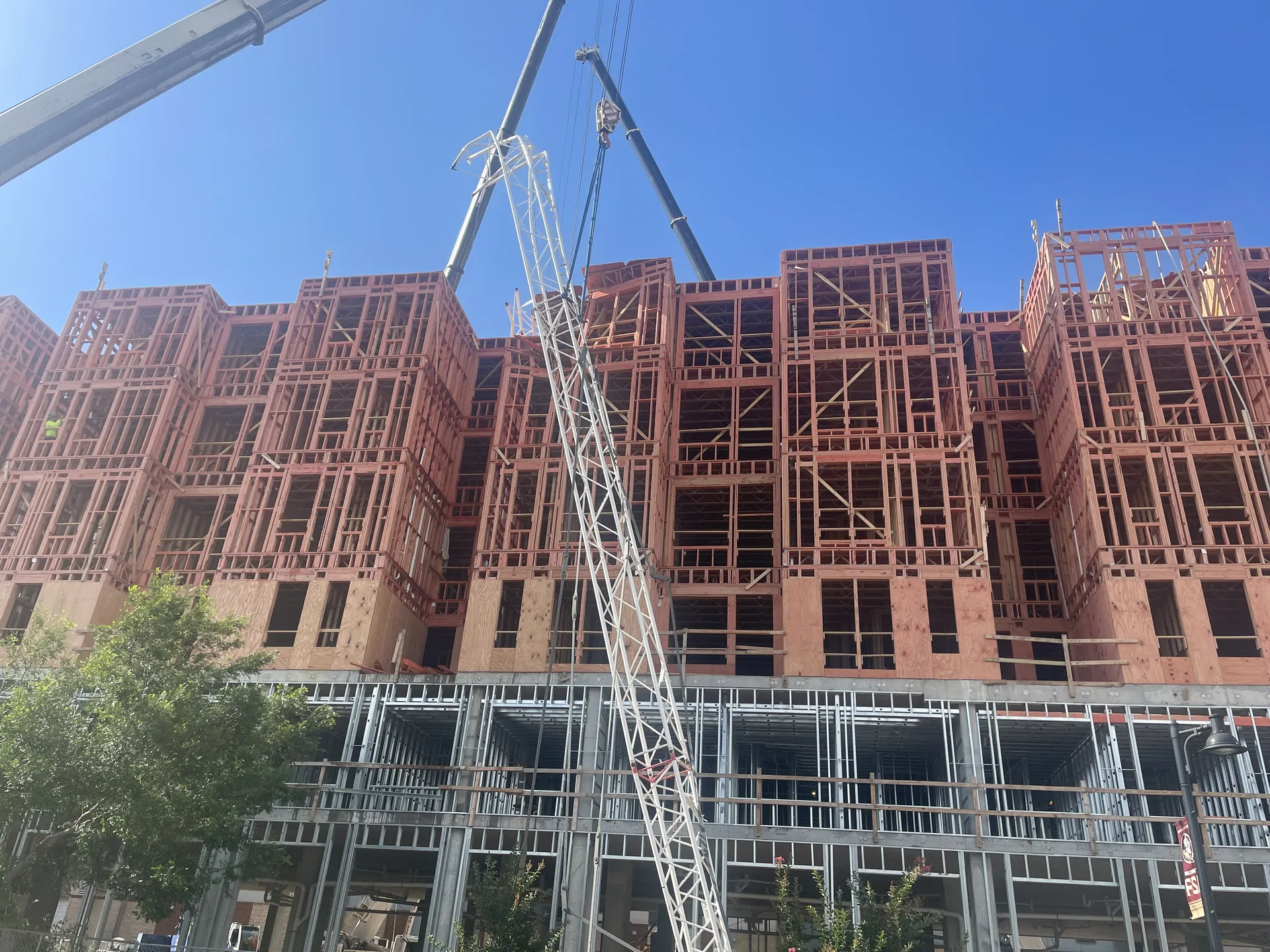
S-200.1
When Structural Engineering Should Enter Your New Construction Project
The single most expensive structural engineering mistake in new construction is a late start.
When a structural engineer joins a project after the floor plan is fixed and the architectural design is locked, the structural system has to fit around decisions that weren't made with structure in mind. Column locations that don't align with program requirements. Spans that demand deep beams and drop the finished ceiling below what the owner agreed to. Foundation loads that require a system the budget didn't account for.
The correction - if it happens at all - costs time, money, and the goodwill of everyone on the design team.
We join new construction projects at schematic design. At that stage, structural input doesn't constrain the design - it shapes it. Column grids can be established to serve both program and structure. Span lengths can be set before they become a problem. Foundation strategy can be decided based on actual soil and load conditions before the geotechnical report creates a surprise.
For developers with projects at feasibility or early design, we also offer structural due diligence - an engineering-level assessment of whether the program can be built the way it's drawn, at the budget it's been assigned, before significant design fees are committed.
S-200.2
New Construction Structural Engineering Services
We provide full structural engineering services for new construction from concept through construction administration:
- Structural system selection and design
- We evaluate competing structural systems - steel, concrete, masonry, wood, and hybrid combinations - against your program, budget, site conditions, and construction schedule, and recommend the system that performs best across all four. We do not have a preferred system. We have a preferred outcome.
- Foundation design
- Slab-on-grade, spread footings, continuous wall footings, pile caps, and grade beams - selected based on geotechnical data, structural loads, flood zone requirements, and constructability. Florida's variable soil conditions, including loose sand, organic fill, and localized sinkhole risk in portions of the Tampa metro, require foundation decisions that are site-specific, not templated.
- Lateral system design
- Wind and flood loads in Florida are not abstract - they are the dominant structural design driver on most new construction projects. We design shear walls, moment frames, and braced frames that comply with Florida Building Code wind requirements for your specific exposure category and site location, sized and positioned to work with your floor plan.
- BIM-coordinated structural models
- Our BIM Director produces fully coordinated Revit structural models integrated with architectural and MEP. Coordination conflicts are resolved in the model - before they become RFIs, field changes, or change orders.
- Permit-ready construction documents
- Stamped drawings and specifications formatted to your jurisdiction's submission requirements, produced by the PE doing the engineering - not a CAD technician working from redlines.
- Construction administration
- Shop drawing review, RFI responses, and field observations scoped to your project. When a field condition requires an engineering decision, we answer it fast enough to keep your contractor moving.
New construction
Designed to build, not just to pass permit.
S-200.4
Every Structural System. Every Building Type.
New construction in Florida requires engineers who know how structural systems perform in Florida's specific conditions - high wind, coastal flood zones, humid climate, and variable soils. We design in all major structural systems and across the full range of building types.
Systems: Structural steel frame - Reinforced concrete (cast-in-place and post-tensioned) - Concrete masonry - Light-gauge steel framing - Wood-framed construction - Hybrid combinations
Building types: Custom single-family and coastal residential - Multi-family and mixed-use - Commercial office and retail - Medical office and outpatient - Hospitality and restaurant - Institutional and government - Warehouse and light industrial
Project scales: We work across the full size range - from custom homes and small commercial buildings through mid-rise construction. Project scale does not determine service quality here. Every project gets the same PE engagement, the same BIM coordination, and the same construction administration responsiveness.
S-200.5
The Builders' Mindset
Structural engineering that is technically correct but difficult to build is not good structural engineering. It is a liability.
Drawings that are unclear about connection details force contractors to RFI. Systems that are over-specified for the loads drive cost without adding safety. Column locations chosen without regard to construction sequence create conflicts in the field. Foundation designs based on conservative assumptions rather than actual soils add cost the project doesn't need.
Duran's engineers approach new construction structural design with the question a builder asks: Can this actually be built, by the contractor on this project, within this budget and schedule, without rework?
That means specifying structural systems that are available in this market. Detailing connections that a steel fabricator or concrete contractor can execute without custom shop drawings. Coordinating with MEP before the drawings are issued so beam penetrations don't require redesign in the field. Sizing foundations from real geotechnical data rather than generic conservative assumptions.
It also means being available when the GC calls during construction - not three days later, when the concrete is already poured.
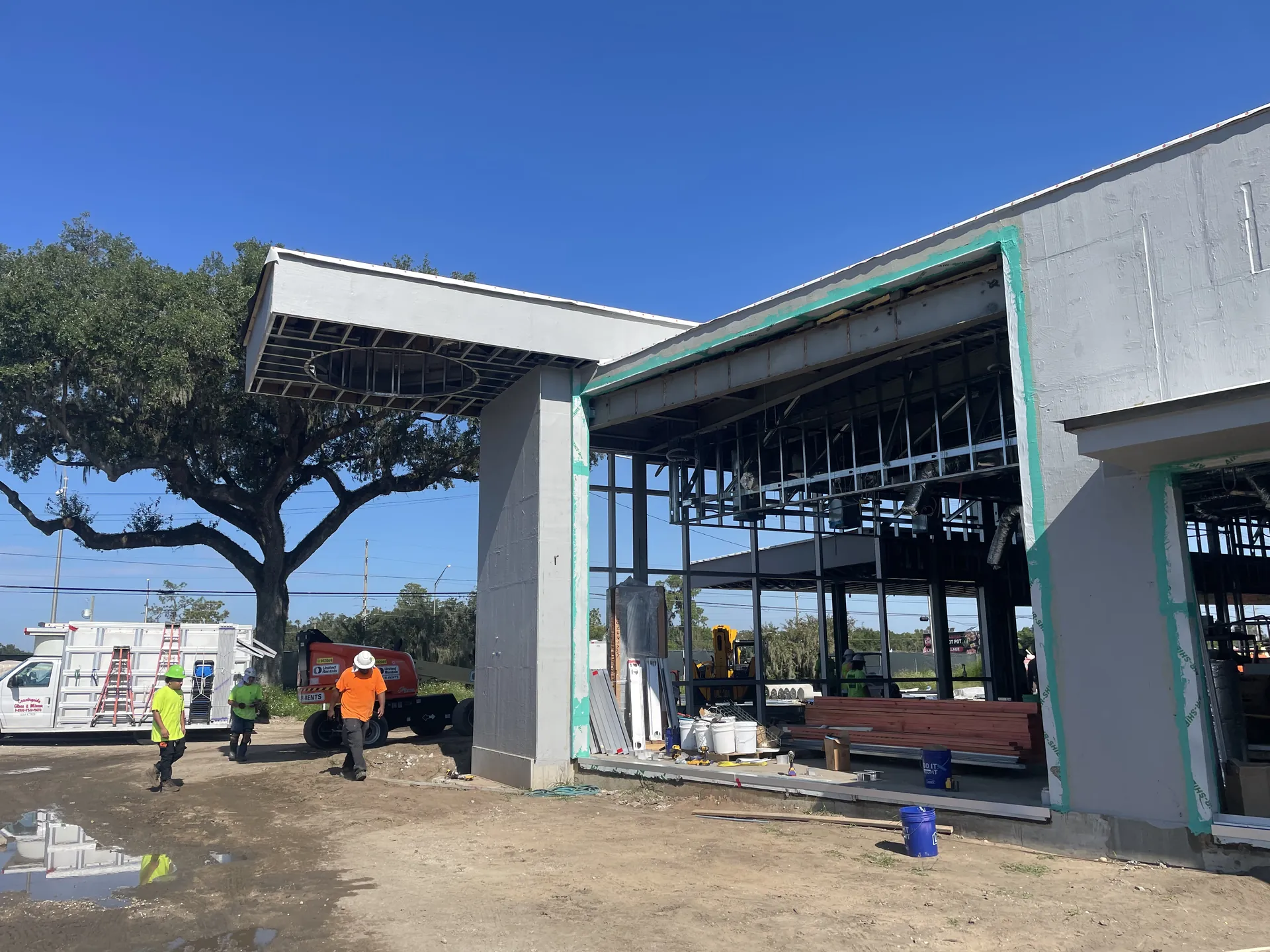
Frame
From footing to roof, one engineer of record.
S-200.7
New Construction Structural Engineering in Florida's Regulatory Environment
Florida's regulatory environment for new construction is more demanding than most of the country, and it updates on a three-year cycle as the Florida Building Code incorporates lessons from each successive storm season. Structural engineers who don't stay current with FBC revisions produce documents that fail plan review - delaying permit issuance and pushing project start dates.
- Wind speed and exposure category
- Florida's wind speed map varies significantly across the state. Projects in Hillsborough County, Pinellas County, and the coastal areas surrounding Tampa are subject to specific design wind speeds and exposure categories that must be applied correctly at the component and cladding level, not just for the main wind force-resisting system.
- Flood zone and FEMA requirements
- Projects in Special Flood Hazard Areas require finished floor elevations above the Base Flood Elevation, foundation types that comply with flood-resistant construction standards, and - in Coastal A and V zones - designs that account for wave action and erosion. These are not optional upgrades. They are permitting prerequisites.
- High-velocity hurricane zones
- Projects in Miami-Dade and Broward counties must meet HVHZ requirements above and beyond the statewide FBC. We hold licensure in Florida and understand how HVHZ requirements affect structural system selection and connection design.
- Threshold buildings
- Florida law defines threshold buildings - those greater than three stories or 50 feet in height, or with assembly occupancy - as requiring special inspection during construction. We design with threshold inspection requirements in mind, and we can coordinate the threshold inspection program to avoid creating a conflict between the structural engineer of record and the special inspector.
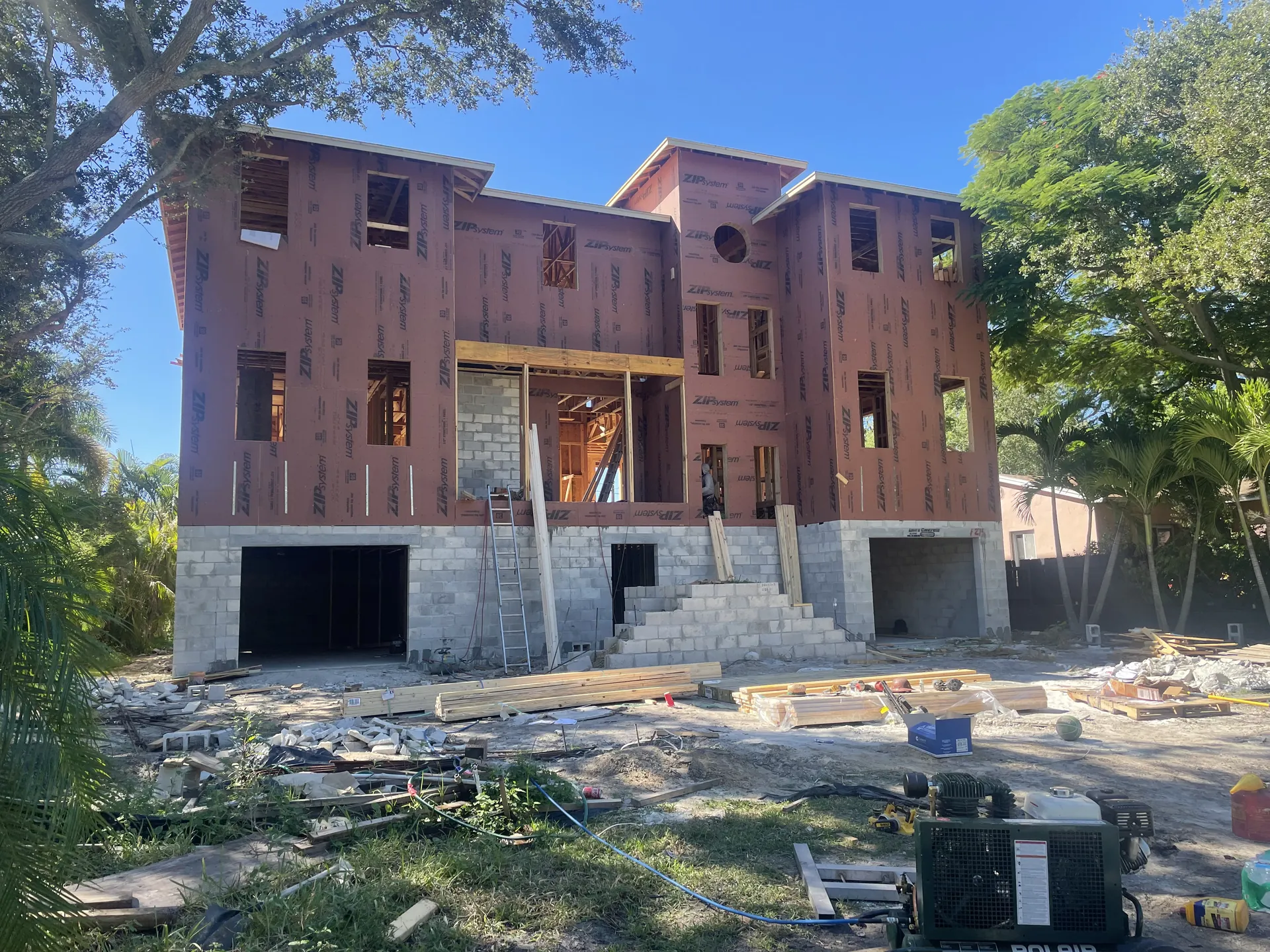
Foundations
Foundation plans, drawn to be built.
Questions and answers.
S-200.10 / FAQ-
At schematic design - and for larger or more complex projects, at feasibility. Structural input at schematic design costs the same as structural input at design development, but it prevents the coordination problems and redesign costs that occur when structural and architectural decisions are reconciled late. The earlier we're involved, the more value we add.
-
An architect designs the program, layout, and aesthetics of a building. A structural engineer designs the system that makes it stand - the foundation, framing, lateral system, and connections - and takes professional responsibility for the structural performance of those elements. Most Florida building departments require PE-stamped structural documents before issuing a permit for new construction.
-
Yes. Most of our coordination with architects happens digitally - model sharing, drawing review, and design coordination through standard AEC communication workflows. We've coordinated with architects located throughout the Southeast and beyond. Location is not a constraint.
-
Both. Drawings without construction administration support put the structural design at risk the moment field conditions diverge from what was assumed. We provide shop drawing review, RFI responses, and field observations scoped to your project. The level of CA support is established at the start of the engagement based on project complexity and your team's needs.
-
Design changes during construction are a reality. We handle them as efficiently as possible - assessing the structural impact, issuing revised documents promptly, and flagging any changes that require building department notification. What we don't do is disappear after permit issuance and make you start over to get a revised detail.
Start with a conversation.
S-200.11 / next stepSpeak with a licensed PE
Tell us the project type, size and timeline and you get an engineering answer, not a sales call.
Call (813) 536-8002Send us your plans
Share plans, sketches or photos and we review them before we call. Scope, size and timeline are what let us give you a real number.
Request a consultationTell us about the project.
S-200.12 / consult requestThe more you can tell us about scope, size and timeline, the more useful our first call is. A licensed PE reads every one of these.